6 Common Mistakes in Construction Material Management
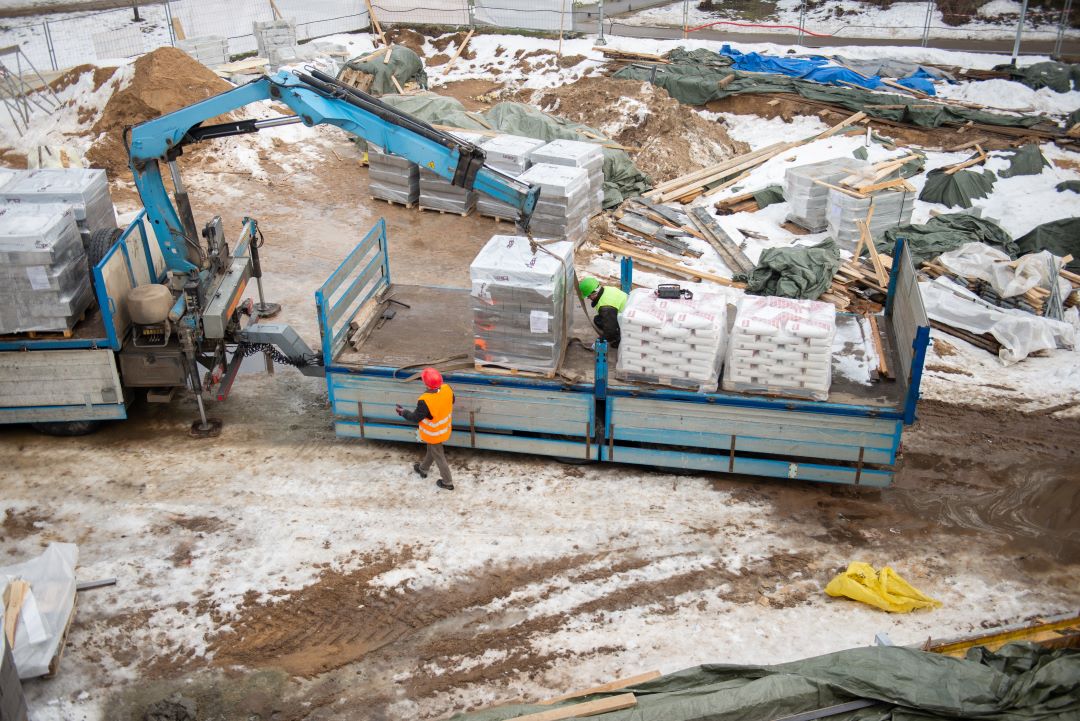
Construction material management involves everything from choosing the right aggregate storage options to proper aggregate handling and inventory tracking to preserve your stock.
There are some common mistakes that are often made by builders and contractors during construction material management. Things can easily go off course when these mistakes occur and materials aren’t stored or tracked the way they should be.
Even with the best intentions, material management might take a back seat once work gets going on your site. The focus naturally shifts to keeping up with deadlines and making sure everything runs on time, but ironically, that’s precisely what leads to these mistakes and messes up your timeline.
In this blog, we’ll explain 6 common mistakes in construction material management that you should keep an eye out for in your next construction project.
1. Ignoring Proper Aggregate Storage Options
Storing aggregates without proper protection can lead to contamination or clumping. Rain, dirt, mixing materials, or exposure to excessive moisture can make your stock unusable.
This causes delays because damaged materials must be replaced, and fixing storage problems mid-project takes away time from other important tasks, reducing productivity.
You can avoid making this mistake by setting up covered, well-drained storage areas to keep materials clean and easy to access for the full duration of your project.
2. Failing to Track Inventory Accurately
When your construction project gets rolling and the workload increases, it’s easy to lose track of what your inventory looks like. Due to this, you might run short right when you need things.
This kind of mix-up means people have to stop working while you sort out more materials, or deal with inventory sitting around unused. It’s frustrating for everyone involved and can slow everything down.
The best way to tackle this is by keeping a simple count and checking inventory regularly. If possible, use digital tools to track inventory, as paperwork can get lost more easily and is more prone to human error.
3. Overlooking Regular Stock Audits
Without regular stock checks, damaged materials or shortages can go unnoticed, resulting in delays. This forces last-minute orders or replacements that throw off your schedule.
Not knowing exactly what’s available also makes planning difficult, leaving you guessing whether you should reorder in bulk or wondering how much you need to keep on site to keep your project running.
A quick, routine inspection can help you spot problems early and keep things on track. Walking through your storage area and keeping a regular count of inventory is a good habit to have. Alternatively, you can also rely on digital inventory tracking tools to make things more simple.
4. Poor Aggregate Handling Practices
Rough handling of aggregates can cause damage before they even make it to your build. Dropping, dragging, or overloading materials can break down their quality and make them less effective.
This leads to wasted materials and extra costs because you’ll likely need to replace what’s damaged. It also slows down work when teams have to deal with unusable stock.
The best approach is to train your team on careful handling and use the right equipment to move materials across the site gently to protect your stock and keep your project running smoothly.
5. Inadequate Planning for Material Demand
Failing to accurately estimate your material requirements can create significant problems during a project. You might run out of aggregates partway through, causing costly delays, or over-order and be left with excess materials cluttering the site. Both scenarios disrupt workflow, increase logistical challenges, and often lead to rushed, last-minute orders, all of which can throw your project schedule off track.
That’s why figuring out what you need before the construction process begins is important, as it helps avoid surprises and makes the whole process more streamlined.
6. Neglecting Environmental Factors in Storage
Leaving materials exposed to the elements can lead to issues that aren’t immediately obvious. Rain can erode or contaminate aggregates, while extreme heat or cold may alter the properties of certain materials, affecting their performance during use.
If you don’t keep an eye on this, you could end up with damaged goods that slow down the job or need replacing. This also affects the overall quality of your build, as materials need to be in top shape for the best results.
Choosing a storage location that offers protection from harsh weather, such as under cover or in a sheltered area and regularly inspecting your materials can help prevent damage. This ensures your construction materials remain in good condition and ready for use when needed.
Contact Middleton Aggregates for a Reliable Supply of Construction Materials
Now you know the common mistakes made in construction material management, you may be looking for ways to avoid delays or quality issues on your next project. That starts with having a supplier you can count on for top-quality materials, delivered when you need them.
At Middleton Aggregates, we supply a wide range of durable aggregates and fill materials for various construction and landscaping projects. We also offer a plant hire service to meet all your construction needs.
Operating from Blackborough End, King’s Lynn, we serve Norfolk, Suffolk, Lincolnshire, Cambridgeshire, and the wider UK. Our team of industry experts is always available to provide you with the best advice on any questions you may have.
For more information on our products and services, visit our website or contact us to find out more.