How Aggregate Recycling Helps Construction Businesses
Construction businesses are always looking for ways to cut costs, streamline operations, and improve efficiency, and aggregate recycling can help on all fronts. By recycling materials from older sites that have been demolished, aggregate suppliers and construction companies can reduce the need for virgin aggregates. This not only decreases material costs but also minimises construction waste.
However, that’s not where the benefits of recycled materials stop. Not only can they help improve construction timelines, but they can also help achieve sustainability targets, thereby helping you stand out from the competition during planning and client negotiations.
Many bulk aggregate suppliers now use aggregate recycling to provide builders and contractors with aggregates made from demolished materials.
That’s why, in this article, we’re here to discuss how aggregate recycling will help you save more, improve construction efficiency and also ensure regulatory compliance.
1. Lowering Construction Costs

Traditional aggregates can add to production costs in construction projects due to their labour intensive extraction from quarries and related processing costs. Aggregate recycling can be an effective way to bring down these costs, as although it needs processing, it doesn’t require extraction.
Additionally, sourcing your aggregates from a local recycled aggregate supplier can help lower your transportion costs, which is good news for your construction budget.
2. Improving Material Efficiency
Another reason why aggregate recycling is becoming an increasingly effective alternative to traditional aggregates is because of its ability to improve material efficiency.
By choosing recycled materials, you reduce waste, cut down on raw material costs, and streamline your supply chain.
3. Meeting Regulatory Sustainability Standards
Love it or hate it, sustainability is now a major consideration in modern construction projects. This is largely driven by stricter building regulations and standards like CEN/TC 350 ‘Sustainability of construction works. These standards help ensure that buildings prioritise the best construction practices while reducing their overall carbon footprint.
In fact, with the rise of embodied carbon assessments, it’s becoming more necessary to reuse and recycle to minimise environmental impact and ensure sustainable development.
Aggregate recycling can help builders and contractors better comply with such standards by reducing waste and improving the quality and longevity of infrastructure, leading to successful, durable and sustainable projects.
4. Reducing Environmental Impact
Construction activities, like other industries, contribute to the global carbon footprint. Large particle pollution has particularly been a growing concern in the UK.
Showing consideration towards environmental concerns can help with negotiations to gain planning approval.
As a result, aggregate recycling in the UK has been growing in demand, helping the construction industry improve its performance on environmental assessment reports.
Middleton Aggregates is a leading and reliable aggregate supplier that offers recycled aggregate services to help make your construction project more sustainable. Call us at 01553 841044 to schedule a recycled aggregate delivery today.
5. Conserving Natural Resources
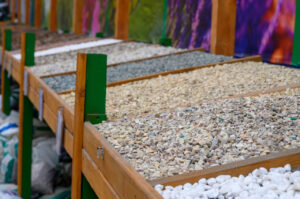
In the long term the continued extraction of virgin aggregates isn’t sustainable as natural aggregate resources are finite and non-renewable. This is another reason why aggregate recycling in the UK is gaining momentum.
Having access to recycled aggregates helps construction companies source their aggregates responsibly and sustainably. This allows them to ensure that their construction projects meet sustainable goals.
Get in Touch with Middleton Aggregates for High-Quality Recycled Aggregates
Aggregate recycling is a great way to improve the efficiency of your construction project. Moreover, it also allows you to play a part in preserving fragile ecosystems by making the most of available resources.
Using aggregate recycling to obtain recycled aggregates is a cost-effective method to improve your project quality and support the environment. This way, you’re making sure your project is durable, efficient and eco-friendly.
Middleton Aggregates offers the aggregates you need to construct your projects efficiently and sustainably. Explore our range of recycled aggregates, fill materials, and plant hire services.
Located in Blackborough End, King’s Lynn, we serve Norfolk, Lincolnshire, Cambridgeshire, and Suffolk areas, along with the wider UK. You can trust our quality aggregates and reliable services for your construction project.
Visit our website or contact us to find out more about our products and services.
4 Reasons to Choose Bulk Aggregate Delivery
Countless construction projects rely on aggregates to improve a building’s structural integrity, stability, and quality. Investing in bulk aggregate delivery is a great way to reduce your construction costs and improve your project’s efficiency.
Bulk aggregate supplies can improve and streamline your on-site material management. This helps reduce the number of trips taken to transport your aggregates. You’ll also lower the carbon footprint of your project this way and minimise harmful environmental impact. As a result, you can improve your project’s standing on environmental outcomes to help boost sustainable development.
However, that’s not where the benefits of bulk aggregate delivery end. In this article, we’re discussing some of the top advantages of investing in bulk aggregate delivery.
1. Cost Savings on Large Orders
The main advantage of investing in bulk aggregate delivery is the potential to save money on your orders. When you order in bulk, the transport costs can significantly drop, which allows your aggregate supplier to give you better rates.
Reduced logistical costs for the supplier means that you can buy your aggregates at a lower price, helping you save on construction costs.
This is especially beneficial if you’re managing a large-scale construction project that needs a vast amount of aggregates.
Middleton Aggregates offer a affordable delivery solutions for bulk aggregates,for all your construction needs. Whether you’re choosing our recycled aggregates or natural gravel aggregates, you can count on us as a reputable supplier of high-quality aggregates. Contact us to learn more.
2. Convenience and Time Efficiency
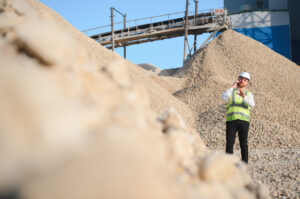
Another aspect of construction that benefits from bulk aggregate delivery is on-site logistical management.
If you’re making smaller orders, your project managers will end up spending more time and money handling delivery logistics across multiple aggregate shipments. But with a bulk aggregate supply, you can ensure an on demand available inventory of key construction aggregates and remove the stress of unnecessary project delays.
This greatly reduces administrative burdens, freeing up your team’s time for more important aspects of your construction project. As a result, ordering bulk aggregate deliveries can improve the time-efficiency and productivity of your project.
3. Consistent Quality
Bulk aggregate delivery ensures consistent material quality because you’re receiving one batch rather than multiple smaller deliveries. When you order separate smaller batches, there’s a risk of variation between shipments where one batch differs slightly from another in composition, colour or grading.
Consistent quality in aggregates ensures improved integration with binding materials like cement, resulting in stronger, more uniform concrete. This strengthens the structural integrity of buildings and improves the overall construction quality.
4. Reduced Transportation Costs
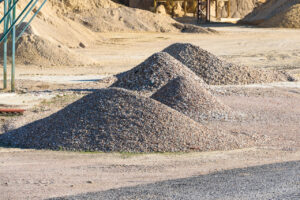
Transporting aggregates can be expensive , as they require large tipper trucks that can only carry one kind of aggregate at a time or crane trucks to deliver bulk bags. This aggregate handling and transport can add to your construction project budget.
One way to mitigate this is by investing in high-quality bulk aggregate delivery. This can help you avoid multiple trips for aggregate delivery and reduce transport costs.
Contact Middleton Aggregates for High-Quality Aggregates
Bulk aggregate delivery can help you streamline your construction process, improving your project outcomes and enhancing build timelines. It also helps you save money considerably, especially in large-scale construction projects.
At Middleton Aggregates, we offer a range of high-quality aggregates and fill materials for various construction projects. We also provide plant hire services.
Located in Blackborough End, King’s Lynn, we serve Norfolk, Lincolnshire, Cambridgeshire, and Suffolk areas. You can trust our quality aggregates and reliable services for your construction project.
For more information on our products and services, visit our website or contact us to learn more.
When to Use Sharp Sand vs. Building Sand in Construction Projects
Sand is used in almost every type of building work. That said, not all sand is the same, with different types of sand each serving a unique function.
Two of the most common types of sand are sharp sand and building sand. To the untrained eye they may look similar, but they don’t share the same properties.
However, both types of sand have very distinct properties, meaning choosing the right one will have a significant impact on your project. Knowing when to use sharp sand vs building sand will affect your project’s strength, finish, and overall structure.
In this blog, we’ll explain the key differences between these two types of sand, cover what sharp sand is used for, and how building sand compares in various construction projects.
Sharp Sand vs Building Sand – Key Differences
Sharp sand and building sand both have different textures, sizes, properties, and uses. Before we look at when to use each one, let’s first break down what sharp sand and building sand actually are on a base level.
What is Sharp Sand?
Sharp sand, also called grit sand or coarse sand, has large, rough grains. The grains are angular, giving them a gritty texture. Due to this, sharp sand has good drainage properties and doesn’t clump together like building sand.
Sharp sand is also heavier than building sand. The rough grains stay separate, and you can feel the difference when you touch them with your fingers as this type of sand doesn’t have a smooth feel.
Instead of flowing easily, sharp sand stays solid and firm. Its roughness and weight make it unique compared to other types of sand.
What is Building Sand?
Building sand, sometimes called soft sand, has much finer grains. These grains are small and rounded, giving the sand a smoother texture. It’s more cohesive than sharp sand and can hold its shape slightly better when wet.
Building sand is lighter by comparison. The grains fit together more tightly, reducing the risk of shrinking or cracking after it has dried. When you press it, soft sand tends to hold its shape better. It’s less gritty and more consistent.
Building sand flows easily, and, unlike rough sand (sharp sand), it doesn’t stay rigid. Instead, it moves smoothly and settles without much resistance.
Ideal Applications
Understanding different uses of sand will benefit your project’s quality significantly. Sharp sand and building sand each have their strengths and weaknesses.
When to Use Sharp Sand
Sharp Sand is best when you need strength and stability. It’s more commonly used for laying slabs, mixing concrete, creating screed, and setting block paving. Landscapers also use it for improving drainage in soil and garden beds. The rough, heavy texture gives strong support where it’s needed most.
That said, due to its gritty texture, it’s best not to use it in places where comfort or safety is important. For instance, you wouldn’t want to use it in playgrounds or other surfaces where children play.
When to Use Building Sand
Building Sand, on the other hand, is used where smoothness and flexibility matter more. It’s perfect for mixing mortar for bricklaying, as well as being great for pointing work, rendering walls, and plastering surfaces. The soft grains help create a neat, even finish that holds well without cracks.
While it can be used for some drainage applications, building sand isn’t always suitable. Its fine texture can lead to clumping and poor stability in places that require strong drainage or structural support.
Both sands have a clear purpose. One isn’t necessarily “better” than the other, with choice depending on the job at hand. Sometimes a project even needs a mix of both, depending on different layers or stages. The important thing is to match the sand’s qualities with what the work demands.
How to Choose the Right Sand for Your Project
If you’re debating whether to use sharp sand or building sand for your next project, think about the end result. Is it strength you need? Or is it a clean, neat bond?
If you’re laying a patio or block paving, go with sharp sand. It won’t shift easily due to its angular particles locking together, and it allows water to flow smoothly and keeps the structure intact.
For any job that involves mortar, stick with building sand. It’s smoother and bonds well with cement while providing a finished look.
Also, consider the location of the project. If the area gets wet or needs drainage, sharp sand works better. But if the job is in interior areas or decorative, building sand would fit the best.
Tips on Maintaining Sand Aggregates
Once you’ve decided on the sand aggregate that you need for the project, you’ll want to keep it in good shape. You can maintain your sand properly by following these tips:
Keep It Covered: Rain can change the moisture levels of your sand, which can change your mix. Keeping your sand covered at all times is essential to prevent that from happening.
Watch for Contamination: If you notice oil, leaves, or other waste in your storage pile, move it to another location to maintain its quality.
Use Older Aggregates First: If you’ve had the sand aggregates for a while, prioritise using older materials before opening a new bag. This ensures optimal usage of your sand aggregate.
Contact Middleton Aggregates to Get the Right Sand Aggregates For Your Project
When you’re comparing sharp sand vs building sand, the key is understanding where each one is best used. The difference really does impact the final result of your project, so think about what your project demands and make a decision accordingly.
Now you know the differences between these two sand aggregates, you may be looking for a reliable supplier for your next project.
At Middleton Aggregates, we supply high-quality sand aggregates, ideal for a variety of applications. We also offer a wide range of durable aggregates and fill materials for various construction and landscaping projects. And, if you need it, our plant hire service is designed to meet all your construction needs.
Operating from Blackborough End, King’s Lynn, we serve Norfolk, Suffolk, Lincolnshire, Cambridgeshire, and the wider UK. For any questions you may have, our team of industry experts is on hand to provide you with the best advice.
For more information on our products and services, visit our website or contact us to find out more.
A Guide to Aggregate Selection
Aggregates play a critical role in the construction industry as they are an integral construction material. They come in different sizes, textures, and grades, making them suitable for a wide variety of applications in construction projects. However, this can make it challenging to choose the right aggregates for your project.
That’s why it’s essential to understand and consider each type of aggregate, its properties and its relevant applications. This will help you make informed decisions during the process of aggregate selection.
With this guide on aggregate selection, we are determined to help you understand the 4 essential factors that you need to consider when choosing aggregates for your project.
Let’s get started.
1. Aggregate Size and Grading
Aggregate size and grading can play a pivotal role in determining its application. Since each aggregate has distinct properties, it makes certain aggregates better suited to certain applications.
This is most evident when using aggregates in concrete, where the choice of your aggregate plays a significant role in the consistency, colour and quality of the concrete mix.
While rounded aggregates improve workability and are suitable for general construction, angular aggregates offer better interlocking and are preferred for structural concrete where higher strength is required. These aggregates are classified as coarse aggregates according to standard grading systems.
However, in decorative applications like garden landscaping, there is a wide variety of aggregates that can be used from large statement stones to smaller size granite and gravel.
On the other hand, road projects typically require denser aggregates that have interlocking properties to improve strength and create more stability. These aggregates are also larger, often ranging from 20mm to 40mm. This way, aggregate grading and size greatly influence the structural integrity of construction materials and are vital in creating stable mixes.
2. Material Strength and Durability

While it’s important to get the size right, you also need to consider strength and durability. This can help you segregate aggregates based on structural and decorative use.
For the structural aspects of your build, you need to choose durable aggregates that meet standardised testing requirements (such as ASTM C33 or BS EN 12620) to ensure they can withstand tough environmental conditions.
Primary aggregates are typically the best choice for this, as they are readily available and are consistent and reliable. However, while virgin aggregates often provide consistent quality and reliability, certified recycled aggregates can also meet structural requirements when properly graded. This helps you remain compliant with industry standards while boosting the long-term durability of your building.
3. Workability and Handling
Workability refers to how aggregates can be used to achieve the desired material consistency and their suitability for an application. Aside from considering aggregate size and grading, you’ll also need to consider its moisture content. This is especially important when it comes to concrete, where too little moisture can make the mixture harder to work with.
Similarly, when a concrete mixture has the right aggregates, its workability is greatly improved. This determines how well it can be used in compacting and finishing applications.
Another aspect to consider while making your aggregate selection is how you manage onsite aggregate storage. Ensuring their proper transportation and storage onsite can minimise potential contamination and lower wastage.
4. Compatibility with Other Materials

Aggregates can improve the structural integrity of other building materials, but that doesn’t mean they’re compatible with all the materials you plan to use in your construction.
If your aggregates aren’t compatible with other materials, the composite mix may crack or expand. This can impact aggregate performance and potentially even lead to property damage when the aggregate is exposed to different weather conditions.
That’s why when ordering aggregates, you need to ensure they’re compatible with other materials. Ideally, letting your supplier know how you plan to use the aggregates should help them deliver the most suitable aggregates for you.
By prioritising material compatibility from the start, you’ll not only prevent costly failures but also ensure your construction stands the test of time regardless of the weather or load demands.
5. Compliance with Industry Standards
Finally, you also need to ensure your aggregates meet all legal industry standards. Material efficiency of building materials like concrete is directly impacted by aggregate quality, as aggregates add bulk, stability, and strength to concrete mixes.
That’s why you need to prioritise quality over everything else. High-quality aggregates are clean, durable, sustainable, and consistent. They should have consistent size, shape, and texture, meeting grading standards.
By ensuring compliance with industry standards, you not only avoid potential legal issues in the future but also save a lot of time and money.
Contact Middleton Aggregates for High-Quality Aggregates
Now that you know the factors to consider during the aggregate selection process, you can confidently choose the most suitable aggregates for your project.
At Middleton Aggregates, we remove the guess work from choosing the right aggregates, by offering high-quality aggregates that undergo rigorous testing to ensure the structural integrity, durability, and stability of your building materials. Our team of aggregate experts, can help you choose the best aggregates for your specific needs.
Located in Blackborough End, King’s Lynn, we serve Norfolk, Lincolnshire, Cambridgeshire andSuffolk. You can trust our friendly staff and reliable services for your bulk aggregate orders.
For more information on our products and services, visit our website or contact us to find out more.
4 Ways to Ensure Quality Control in Construction
As the demand for new homes increases across England, the construction industry requires more efficient tools, technologies and strategies to keep up. Additionally, with ever growing demand for affordable housing, essential processes like quality control need to be up to the mark, while also being cost-efficient.
However, when working on multiple construction projects with tight deadlines, ensuring absolute quality control in construction can become complicated.
That’s why, in this article, we’re narrowing down the top 4 ways to improve quality control in construction and enhance overall project efficiency.
Let’s get started.
1) Material Testing and Analysis
A key component of construction quality assurance is material testing. Conducting relevant tests and analysis on construction materials, whether brick, concrete, or aggregates, helps improve quality assurance in building construction. This ensures structural reliability and mitigates risks like failures or costly repairs.
At Middleton Aggregates, our materials are tested by an independent assessor. This allows us to deliver sturdy and reliable aggregates, ensuring structural reliability and mitigating risk for your projects. Please see our full documentation for more information.
It’s important to only work with suppliers who deliver properly tested construction materials, and have the necessary documentation to back their material.
2) Compliance with Industry Standards
Construction practices have undergone major changes in recent years. Now, industry standards and government regulations encompass many environmental, performance, quality, and safety guidelines for quality assurance in construction projects.
ISO, HSE, CMS, and BSI are some of the authoritative bodies at the forefront of establishing industry standards for quality control in construction. Keeping compliant with industry standards will help you minimise overall risks and associated delays relating to potential legal disputes.
3) Consistent Material Quality
While material testing and analysis help set the foundation for quality control in construction, it’s crucial to ensure that material quality remains consistent at every stage of a project.
Failing to do so could lead to variations in aggregate density or concrete composition, thereby compromising structural integrity and inflating long-term maintenance costs.
Most importantly, inconsistent material quality could also lead to compliance issues, like failing the BS EN 12620 standard for aggregates and other similar regulatory requirements. This makes it imperative to ensure consistent material quality for the lasting success of your project.
With our decades of combined experience in aggregates, if you need help picking the right materials, contact a member of our team.
4) Third-Party Certifications
Finally, certifications are a great way to boost credibility and quality assurance in construction projects. While in-house testing is useful, certifications issued by independent quality control bodies are much more reliable for impartial and unbiased documentation.
Obtaining third-party certifications could also set your construction project apart in a competitive market by enhancing your reputation for quality and compliance. For instance, certified materials provide irrefutable proof of quality, helping projects pass inspections faster and stand out in a competitive market.
Contact Middleton Aggregates for High-Quality Aggregates
Despite changes in construction trends, the importance of safety, durability and structural integrity remains the same. These factors play a pivotal role in quality control in construction to help ensure your project’s success.
At Middleton Aggregates, we supply top-quality aggregates for your construction projects, as well as fill materials and plant hire services. Based in Blackborough End, King’s Lynn, we deliver aggregates across Norfolk, Suffolk, Lincolnshire and Cambridgeshire, as well as the wider UK.
When you choose Middleton Aggregates, you receive professional advice along with a friendly and reliable service. For more information on our products and services, visit our website or contact us now.
Can Quality Aggregates Help Speed Up Construction?
Completing a project on time and without compromising quality is one of the foremost priorities of any project manager. To achieve this, they leverage various management tools, techniques and strategies that are designed to speed up construction and reduce downtime.
However, with so many factors influencing the completion date of your project, it’s hard to keep track of it all. One factor that can be easily overlooked is the quality of your aggregates and the efficiency and reliability of your aggregate supplier.
Construction aggregates are crucial in providing a foundation for other common building materials like concrete, mortar, and asphalt and are often the starting point for many construction projects.
By working with the right aggregate supplier for your project, you can ensure a smooth start to your project and ensure consistent material quality throughout.
But that’s not all. There are a number of ways in which your choice of aggregates influences your construction speed. In this article, we’ll discuss what those factors are and how they help minimise disruption to your project.
1. Consistent Quality Eliminates On-Site Delays
When you order high-quality aggregates from the same supplier, you can rest assured that your aggregates are properly graded to your specifications and will have a consistent colour which is particularly important when using sand in concrete etc. Additionally, they’re pre-screened and washed (where necessary), needing little to no onsite aggregate processing.
Properly graded aggregates will also help with faster compaction and easier mixing, speeding up concrete preparation and subbase layer installation. This will not only reduce the time it takes to prepare the mixes but also minimise labour requirements and ensure more consistent quality across the project.
To help you achieve this, we at Middleton Aggregates offer bulk deliveries of high-quality aggregates for all your construction needs.
With a range of trusted and industry-compliant materials, including sand, recycled aggregates, subbase and carrstone, we can help speed up construction and ensure the timely completion of your project.
2. Weather-Resistant Aggregates Reduce Downtime
Unpredictable weather is one of the greatest challenges faced by construction project managers. Not only because of how difficult it makes for people to actually work but also due to the damage it can cause to construction materials.
This makes it a priority to use weather-resistant aggregates that allow you to continue working even during harsh weather, especially if your project timeline is due to collide with harsh weather.
Additionally, by using dense and non-porous materials like granite and limestone, your project will maintain its structural integrity, even during winter. In fact, these materials also help avoid cracking in concrete, which is generally induced by moisture. Thereby allowing you to speed up construction without compromising on quality.
With that in mind, make sure you choose aggregates that are resilient in adverse weather and help improve the sustainability of your construction project.
3. Enhanced Structural Integrity and Longevity
Superior aggregates enhance structural integrity from the ground up. As sustainability continues to become an increasing concern in the construction industry, it’s important to use materials that extend the longevity and durability of your builds.
When properly processed, quality aggregates provide long-lasting durability that requires fewer checks and repairs. This saves the time spent on fixing premature wear and also reduces post-construction cost.
Contact Middleton Aggregates for High-Quality Aggregates
The answer to ‘how to speed up your construction project’ lies in choosing quality aggregates for your projects. Although it’s not the only factor that you need to pay attention to, it’s absolutely one of the most important.
Additionally, by leveraging the services of an efficient and reliable supplier, you can access an uninterrupted supply of aggregates for key building materials, which speeds up construction timelines.
That’s where we come in.
As a leading aggregate supplier, we offer a range of aggregates and fill materials for various types of landscaping and construction projects. We also provide plant hire services to fulfil all your construction needs.
Based in Blackborough End, King’s Lynn, we deliver aggregates across Norfolk, Suffolk, Lincolnshire, and Cambridgeshire, as well as the wider UK.
For more information on our products and services, contact us and place your order now.
When to Choose Recycled Aggregates for Your Subbase
Subbase is the backbone of most building projects. Regardless of whether you’re laying a road, car park or pavement, if the foundation underneath isn’t laid correctly, the structure won’t last long.
Traditionally, the construction industry has chosen hardy materials like granite or limestone as subbase, but that doesn’t mean they’re the best choice for every project.
Recycled aggregates are a great alternative that has many of the properties of virgin aggregates, whilst promoting more sustainable construction practices, at a lower cost. Made from old construction waste, typically from demolition sites, materials like bricks, concrete, and asphalt are crushed down and recycled for reuse.
That said, just like other aggregates, recycled aggregates may not be suitable for every project. So, how do you decide? Let’s discuss four situations where recycled aggregates might be a good choice for your project.
1. Budgeting Reasons
If you’re planning a construction project, you’ll need to budget wisely to avoid overspending on construction materials and labour. In many cases, recycled aggregates can be much more cost-effective.
They’re cheaper to produce as the supplier doesn’t have to source virgin materials from the ground. They simply have to crush and clean what’s already there and process those aggregates for construction use.
For projects with a tight budget, this can make a big difference. Whether you’re laying out a long car park or resurfacing a footpath, the costs add up. Saving here means you’ll have more money to spend elsewhere.
You’re not trading off quality either. Recycled concrete aggregates meet the industry standards and perform just as well in many subbase applications.
2. Material Variability
Not all builds need perfect consistency. Some projects can handle some variation in what goes under the surface. In these cases, recycled aggregates can be a great option.
There are many types of recycled aggregates, and this naturally leads to some variability in texture or colour. For non-structural groundwork, footpaths, or light-use driveways, this may not be a problem.
In these cases, the material still compacts well and performs reliably as a subbase. Choosing recycled options when suitable doesn’t just reduce costs, it simplifies sourcing too.
You can often get what you need locally and quickly, without strict specifications slowing your project down. If the project isn’t too demanding and allows for slight material variability, recycled aggregates are a practical and efficient choice.
3. For a Stable, Well-Drained Ground
Ground conditions are a significant deciding factor. If the soil is already stable and drains well, recycled aggregates can work exceptionally well for the subbase.
These aggregates give solid support, especially on ground that doesn’t shift or hold water. Since you aren’t fighting against nature here, the subbase doesn’t need to do all the heavy lifting.
Recycled concrete aggregates, in particular, have great load-bearing strength and compacts well. If the ground is already doing half the job, you don’t need to stress too much over your subbase choice. Recycled aggregates are a more cost-effective choice and fill the gap effectively.
4. Compliance with Sustainability Guidelines
Some local councils now encourage greener construction methods. In certain areas, using recycled materials is preferred, and sometimes, it’s even a requirement.
Recycled aggregates help meet these guidelines without adding extra pressure to your project. They help you cut down on landfill waste, lower your carbon footprint, and support circular economy goals.
If you’re bidding for public contracts or working on council-led building projects, showing sustainable material use can be a big plus. It’s one of those things that ticks a lot of boxes.
To reiterate, you’re not sacrificing performance. Most types of recycled materials meet key compliance standards and will bring lasting results to your project.
Contact Middleton Aggregates for Cost-Effective Recycled Aggregates
The right subbase material for your project depends on a mix of factors. Recycled materials may not be the best fit for every site, but in the right context, they can be a great option.
Even with the best information, choosing the right materials and supplier can sometimes feel overwhelming. We’re here to offer you the right guidance and quality options, so you can make confident choices that meet your project’s demands.
At Middleton Aggregates, we supply cost-effective recycled aggregates, ideal for a variety of applications. We also offer a wide range of durable aggregates and fill materials for various construction and landscaping projects. If needed, you can also check out our plant hire service.
Operating from Blackborough End, King’s Lynn, we serve Norfolk, Suffolk, Lincolnshire and Cambridgeshire. For any questions you may have, our team of industry experts is on hand to provide you with the best advice.
For more information on our products and services, visit our website or contact us.
3 Tips to Improve Your Construction Timeline
One of the most important goals of a construction business working on a project is to complete the project on time and within budget. Both of these goals largely depend on the proper planning and execution of the construction project.
However, while there are a large number of factors to consider when you’re trying to optimise your construction timeline, there are a few crucial ones that can help significantly.
By prioritising these factors during the construction process, you can not only improve your project timeline but also ensure a smoother building process.
In this article, we’ll discuss some of the top tips that can help you stick to your construction schedule and improve your project timeline.
1. Better Project Planning and Scheduling
One of the most important aspects of managing any project, construction or not, is proper planning. A detailed project plan can help avoid disruptions and significantly reduce project delays.
While all construction projects work off a blueprint, there are always ways to streamline things more effectively for a smoother construction process. By accurately estimating material requirements, scheduling inventory orders, and organising shifts efficiently, you can help prevent many bottlenecks.
2. Consistent Material Quality
Consistent material quality can help make material performance predictable, which in turn can help plan for various construction phases more accurately. It also reduces the need for rework, thus minimising material replacements and repairs, which can add to construction costs and cause project delays. As a result, you improve your construction project’s timeline.
Quality materials can also improve the efficiency of your other construction materials by enhancing their composition. This helps you ensure a consistent finish when you’re using common building materials like aggregates and concrete. Additionally, it reduces the need for constant readjustments in material mixes.
At Middleton Aggregates, we leverage high-quality aggregate grading systems to classify aggregates based on density, size, composition, and texture. This allows you to ensure your building materials are uniform and leads to a smoother quality check process.
Fewer quality control issues translate to fewer work disruptions, thereby leading to more productivity onsite and improving your construction timeline.
3. Streamlining Logistics
If not planned properly, construction sites can be a logistical nightmare, leading to severe delays. This makes it essential to streamline your logistics and supply chain, thereby, ensuring your equipment and materials are reaching the right place, at the right time
A great way to ensure more efficient logistics is partnering with the right suppliers. Working with efficient and reliable suppliers significantly supports construction teams and helps with better stock management.
The right supplier will also help reduce your onsite congestion and improve your team’s workflow, leading to better productivity and an improved project timeline.
Contact Middleton Aggregates for Quality Aggregates
Construction projects require considerable planning and care. By preparing a proper plan, streamlining logistics, and ensuring material consistency, you can save a considerable amount of time.
With strategic planning and sourcing for your aggregate supply, you can ensure your project doesn’t encounter inordinate delays and improve your construction timeline.
Middleton Aggregates offers quality aggregates, serving as a reliable aggregate supply partner for your construction project. We also provide fill material and plant hire services for all your construction needs.
Based in Blackborough End, King’s Lynn, we deliver aggregates across Norfolk, Suffolk, Lincolnshire and Cambridgeshire, as well as the wider UK.
Explore our website or contact us to find out more about our products and services.
How Construction Material Storage Affects Aggregate Quality
Proper construction material storage is essential for maintaining the quality and efficiency of your aggregates.
When aggregates like sand, gravel, crushed stone, and recycled concrete aren’t stored properly, they can become contaminated and lose their structural integrity. This affects their performance in construction projects and can even lead to material waste, leading to expensive replacements.
Storing your aggregate materials properly will help protect them from environmental factors like moisture and temperature changes. Moisture is a major concern, especially for materials used in concrete production, as excessive moisture can impact your aggregate’s strength and durability. Using correct construction material storage practices also protects your aggregates from exposure to dirt and debris, two other factors that can affect their quality.
In this article, we’ll explain some of the positive impacts that proper storage of your materials can have on your projects. We’ll also cover various ways in which effective stockpile management can prevent quality issues and improve your operations.
1. Prevents Material Contamination
Aggregates can become contaminated when they’re exposed to dirt and debris. Contaminants like clay, soil, leaves, and glass negatively impact the performance and durability of construction materials. Contamination is particularly bad for concrete production, as even small amounts can lead to cracks in the final structure.
Storing your aggregates in a clean and controlled setting, using covers and storage bins is the best way to prevent contamination. Also, make sure you store different types of aggregates separately, as mixing materials can lead to inconsistent composition, affecting performance in concrete or construction applications.
To further reduce the risk of contamination, account for environmental factors such as weather conditions and nearby construction activities that could hinder your project.
Based on these factors, regularly inspect and clean your construction storage area to maintain the quality of your aggregates.
2. Reduces Material Waste
Improper construction material storage can lead to wasted material due to poorly managed inventory and damage. As a result, you’ll end up spending more as you’ll likely have to order new stock to compensate for lost materials. This can cause delays in your construction project.
To reduce wastage and keep your materials in top condition, the solution is simple – effectively store your stock.
Keep your storage area well-organised and shielded from bad weather conditions, and track your inventory, prioritising using older materials first. If you have multiple projects on the go, you’ll want to rotate your stock to always have aggregates available for future use.
3. Improves Material Consistency
Some construction projects have specific grading and quality standards for their aggregates. Any inconsistency is guaranteed to change the quality of your aggregates and disrupt the project. For instance, when an aggregate’s environment keeps changing, its overall strength and durability can decline due to varying levels of moisture.
To maintain consistent material quality, make sure to store your aggregates in specialised stockpiles based on size, type, and project requirements. This will help you preserve the integrity of each material and maintain a steady quantity of aggregates for your project.
Improper storage of your aggregates can lead to fluctuations in quality, which can impact the strength and stability of your build. Maintaining a consistent environment is key to meeting project specifications and ensuring long-term durability.
Regularly testing these stockpiles is a simple way to check that the aggregates meet the requirements of your project and avoid any nasty surprises during construction.
4. Enhances Operational Efficiency
Your project timelines and daily operations can be disrupted significantly if your aggregates aren’t stored properly. The time you’ll spend searching for the right stockpile or handling improper materials will increase your overall costs and cause delays that could have otherwise been avoided. Improper storage can also cause your aggregates to become too compact, making it more difficult to transport them.
Implementing proper storage solutions, like labelled stockpiles and designated storage areas, improves the overall efficiency of your operations significantly. As well as saving time and money, a streamlined approach will also make it easier for your workforce to focus on what matters – the quality of your project.
Contact Middleton Aggregates for High-Quality Aggregates
Construction material storage plays a key role in maintaining the quality and efficiency of your aggregates and operations. Using proper storage techniques will help ensure the project is completed on time and to spec.
At Middleton Aggregates, we supply a wide range of durable aggregates and fill materials for various construction and landscaping projects. We also offer a plant hire service to meet all your construction needs.
Operating from Blackborough End, King’s Lynn, we serve Norfolk, Suffolk, Lincolnshire, Cambridgeshire, and the wider UK. For any questions you may have, our team of industry experts is on hand to provide you with the best advice.
For more information on our products and services, visit our website or contact us to find out more.
6 Factors That Affect the Cost of Aggregate
Aggregates form the foundation of many construction projects and are responsible for structural integrity. Whether you’re constructing a residential complex, a bridge, or a road, aggregates are key to providing the base for many other construction materials such as concrete, mortar and asphalt.
However, the cost of aggregates can vary and is determined by factors such as their extraction process and material composition, as well as your location and the supplier’s transport costs.
In this article, we’ll discuss how aggregate costs can vary, and the factors that influence the cost of aggregates.
1) Location and Transportation
Quarries, often in remote rural locations, are a common source of most aggregates. This will affect fuel, vehicle, labour, and equipment costs. This makes location a key factor in your aggregate costs.
Equipment used to transport aggregates will also need additional maintenance due to the bulky nature of aggregate increasing vehicle wear and tear. Add to this the logistical complexities around transporting heavy loads via HGV, and you can understand why transport is one of the main costs underpinning your aggregate price.
2) Material Quality
As you’d expect, the higher quality the aggregate, typically, the higher the price. Higher quality aggregate requires more processing, testing and certification, which can all increase the costs.
Typically, recycled aggregates come at a lower cost and are also more sustainable, if environmental impact is an important consideration for your project.
The extraction methods used will have an impact on the overall aggregate quality and cost. This is especially applicable if you’re considering marine aggregates, which are sourced from the seabed, using special techniques and equipment, meaning higher costs.
At Middleton Aggregates, we offer high-quality aggregates for all your construction projects. You can use our aggregate calculator to calculate how much aggregate you need, helping you cut down on the cost of aggregates. Call us on 01553 841044 to place your aggregates delivery today.
3) Size and Weight

Aggregates come in various sizes to accommodate a wide range of construction applications.
Finer aggregates are often used as a major component mix of materials like cement and often weigh less. This means their logistical and supply costs are usually lower, so, the cost of aggregate base made with finer aggregates is often lower compared to other aggregates.
Comparatively, coarser aggregates that are heavier and more dense may require more energy-intensive extraction processes, as well as increasing their transport and delivery costs.
4) Seasonality
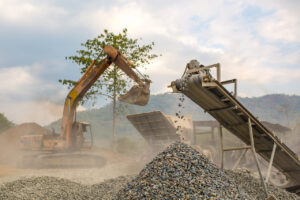
Construction projects rarely operate throughout the year as the seasons determine how much a project can progress. This is especially true in winter, when construction may be delayed due to snow or extreme weather.
The time of the year that you’re ordering may directly impact the cost of aggregate, as supplies could be limited and become more expensive.
On the other hand, favourable weather conditions during spring or summer may typically see a rise in demand for aggregates as construction work increases. Seasonal availability may have an impact on aggregate price.
5) Regulatory requirements
With sustainability targets now a top priority, the UK is investing significantly to make sure building projects comply with environmental regulations. It has been targeted by the government that the construction industry achieve its net zero targets by 2050.
With this in mind, the cost of aggregates is also influenced by their environmental impact, material durability, and safety factor for use in a construction project. For example, the cost of aggregates for a coastal defence project will differ from standard aggregates.
Other regulatory requirements, such as land use policy and the need for additional standard certifications, may also drive up the cost of aggregate base.
Contact Middleton Aggregate for High-Quality Aggregates
Aggregates form a significant part of any construction project. While the cost of aggregates may vary according to your project’s needs, it’s important to prioritise quality and overall value over affordability.
At Middleton Aggregates, we offer a range of high-quality aggregates and fill materials to help you ensure your construction projects are done right. We also offer plant hire services to satisfy all your construction needs.
Located in King’s Lynn, Norfolk, we’re here to help you find the ideal materials. With our aggregate calculator, you can find out how much aggregate you need, minimising waste at the end of your project.
We offer our services to customers across Norfolk, Lincolnshire, Cambridgeshire, and Suffolk areas. You can trust us to provide consistently reliable, friendly and professional services when you choose Middleton Aggregates.
For more information on our products and services, visit our website or contact us now.