4 Storage Strategies for Minimising Aggregate Waste
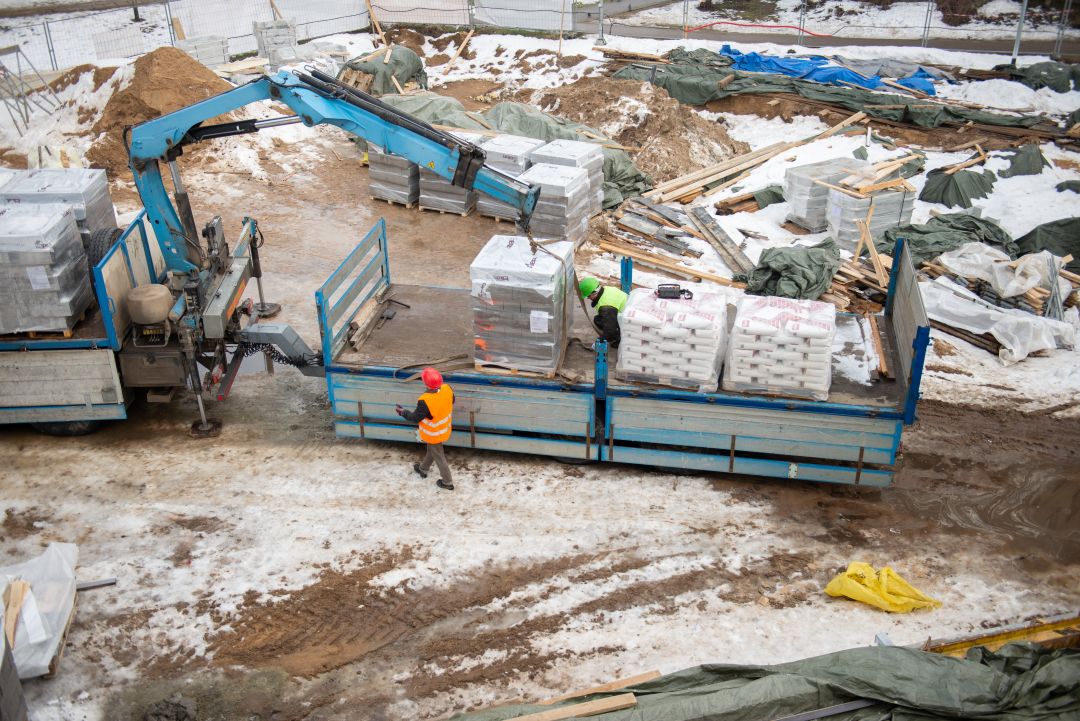
At a Glance
Practical ideas to reduce aggregate waste during storage, including designing stockpiles to prevent contamination, using hard, well-drained bases, covering materials to protect from weather and optimising delivery timing and stock rotation. These measures help maintain material quality and minimise loss across UK construction and landscaping sites.
Contact Middleton Aggregates for high-quality aggregates.
Reduce Aggregate Waste in Storage Tips
If you handle aggregates regularly, you know how important it is to store them the right way. Even small mistakes in storage can lead to a large quantity of material going to waste over time.
Taking small steps to improve how you manage your aggregate stock can help reduce aggregate waste while improving operational efficiency.
Being aware of common tips to reduce aggregate waste whilst in storage can go a long way in ensuring your project stays efficient.
It also helps to plan your stock rotation and delivery timing carefully. Having the right balance between fresh and stored materials keeps waste low, especially if you use covered or open aggregate storage based on the season.
In this blog, we’ll explain how to store aggregates to prevent waste in the UK. These tips can help you manage your stock better and keep your site running smoothly.
1. Design Aggregate Stockpiles to Prevent Contamination and Run-Off
Poor stockpile design can lead to contamination and material loss. When different aggregates mix or wash into one another, the quality of your materials can decline, leading to more on-site waste.
A well-designed stockpile should always have clear physical dividers between different materials. Keeping fine and coarse aggregates separate also helps to keep stock organised for its intended use.
It’s worth taking a few minutes to assess how water might move through your site after rain. It also helps to position your stockpiles on level ground with gentle slopes for drainage. This reduces water run-off and protects nearby areas from erosion, ensuring your materials’ quality remains consistent.
Attention to detail and effective management of on-site aggregate storage are key to preventing any contamination in your aggregates.
2. Use Hard, Well-Drained Bases to Prevent Loss and Spoilage
A stable base helps keep aggregates in good condition. Soft or water-logged ground can cause materials to sink or mix, creating unnecessary waste. Wet weather at UK sites makes this a common issue if the storage area is not properly prepared.
Using a hard, non-absorbent surface keeps stockpiles level and accessible. By compacting crushed stone or using temporary covers, you can create a durable foundation without any major investments. Small adjustments, like adding crushed gravel, can also improve drainage and help prevent spoilage.
It’s best to regularly check the sites for puddles or uneven areas, as fixing minor issues early keeps your aggregates dry and reduces material loss in the long run.
A well-prepared base protects material quality and simplifies daily handling, helping your operations run smoothly.
3. Cover Materials to Minimise Weather Damage and Moisture Uptake
Moisture and weather changes often cause the biggest problems on-site. Rain and frost can affect aggregates differently, causing fine materials to clump and lighter stones to move. Using proper tips for aggregate stockpile moisture control can help maintain material quality and usability across all seasons.
Temporary covers, canopies and windbreaks offer practical protection against harsh weather conditions. Covers and canopies prevent water from reaching your stock, while windbreaks reduce the movement of loose materials.
Choosing between covered vs open aggregate storage depends on site conditions and the time of year. During winter, covered storage keeps materials dry, while open storage works in dry months if monitoring is regular and consistent.
If you’re planning a construction project in winter, contact us to learn how our aggregates can support your project and keep your timeline on track.
4. Optimise Delivery Timing and Stock Rotation to Reduce Waste
Keeping excess material on-site can cause older aggregates to degrade or harden, making them difficult to use. Planning deliveries carefully ensures you have the right quantity available without leaving stock exposed for long periods.
You could implement simple stock rotation and delivery timing strategies to help maintain material quality. Using first-in, first-out (FIFO) stacking and smaller, scheduled deliveries can keep your aggregates ready for immediate use and reduce unnecessary handling.
Applying these tips to reduce aggregate waste in storage helps you protect your stock and maintain smooth operations. Middleton Aggregates also works closely with site managers to make sure deliveries are timed accurately and materials are managed efficiently.
Contact Middleton Aggregates to Ensure Accurate Aggregate Delivery
At Middleton Aggregates, we supply a wide range of durable aggregates and fill materials for various construction and landscaping projects at reasonable rates. We also offer a plant hire service to meet all your construction needs.
Operating from Blackborough End, King’s Lynn, we serve Norfolk, Suffolk, Lincolnshire, Cambridgeshire and the wider UK. Our team of industry experts is always available to provide you with the best advice and answer any questions you may have.
For more information on our products and services, visit our website or contact us.

How to Balance Cost & Quality in Construction Material Procurement

Construction material procurement often decides how smoothly your project will run. You might think picking the cheapest supplier keeps your budget healthy, but looking at price alone can bring its own set of problems.
If quality gets ignored during the construction procurement process, hidden costs soon follow. Materials that don’t hold up can cause delays, extra waste, or even safety concerns that no builder is going to want on their site.
Additionally, your team might start feeling frustrated and drained when the building material procurement isn’t managed effectively, as working with subpar aggregates can compromise the overall quality of your build.
However, it can be difficult to balance cost and quality in construction material procurement due to the many variables that are involved. So, how do you ensure that the cost of aggregates isn’t too high, but still provides equal quality during this stage?
In this blog, you’ll find out how you can keep aggregate costs under control while making sure you don’t have to compromise on the quality needed for a successful project. We’ll break down what really matters when it comes to choosing building aggregates, and share practical steps you can take to strike the right balance for your build.
Why Cost Isn’t Everything
While it is important to consider the cost of aggregates when planning your project, it’s equally important to remember that it’s not the only thing that matters.
Choosing aggregates based on cost alone can lead to performance issues later down the line, especially if the quality isn’t right from the start. In some cases, cheaper materials break down faster or don’t hold up well during construction.
This leads to higher costs, through replacements, delays, or extra labour. Therefore, a better approach is to look at what you’re getting for the price. Reliable materials that do the job properly will always bring more value than ones that need fixing halfway through the build.
The Risks of Choosing Low-Quality Materials
Cutting corners on quality during construction material procurement to reduce costs can create significant problems later in the project. Here are some of the most common risks of choosing low-quality materials:
1. Lower Build Quality
When substandard materials are used, the structure itself is at risk. Weak aggregates or other low-grade resources rarely hold up under stress, leading to cracks, warping, and other noticeable flaws in the build. Over time, these issues can impact safety and even decrease your project’s value.
2. Increased Risk of Project Delays
Low-quality construction materials can turn out to be faulty, not fit as intended or fail right after installation, forcing teams to halt work and sit idle until replacements come in. The project timeline then unnecessarily stretches out while efforts shift from building to fixing.
3. Higher Chances of Material Waste
Lower-grade aggregates often break easily or don’t perform well. Sometimes, they might even arrive in a condition that makes them unsuitable for the job. All of these factors contribute to increased construction waste, disposal costs, and replacements.
4. More Frequent Repairs or Rework
Subpar materials often result in problems appearing much sooner than expected. Issues show up in the form of premature repairs and ongoing maintenance and in some cases, you may need to do a complete rework of certain areas of your build.
How to Identify Good Quality Without Overspending
A good starting point is to match materials with the actual demands of your project. For instance, recycled aggregates can match the performance of virgin materials in many projects and come at a fraction of the price, making them ideal for balancing the cost and quality in building material procurement.
It also helps to buy from proven sources, so prioritise buying construction materials from reliable suppliers with a good track record. These suppliers ensure you receive consistent, high-quality aggregates while maintaining transparent communication.
Finally, review technical specs carefully, and always ask suppliers for performance data instead of just comparing by price. This helps you make a more informed decision and reduces the chances of purchasing low-grade materials.
Contact Middleton Aggregates to Ensure Smooth Construction Material Procurement
Now you know the factors you need to consider during the construction procurement process, you might be looking for a reliable supplier to provide you with the right aggregates at fair prices. We’ve got you covered.
At Middleton Aggregates, we supply a wide range of durable aggregates and fill materials for various construction and landscaping projects at reasonable rates. We also offer a plant hire service to meet all your construction needs.
Operating from Blackborough End, King’s Lynn, we serve Norfolk, Suffolk, Lincolnshire, Cambridgeshire, and the wider UK. Our team of industry experts is always available to provide you with the best advice on any questions you may have.
For more information on our products and services, visit our website or contact us to find out more.
The Role of Site Preparation in Construction Project Success
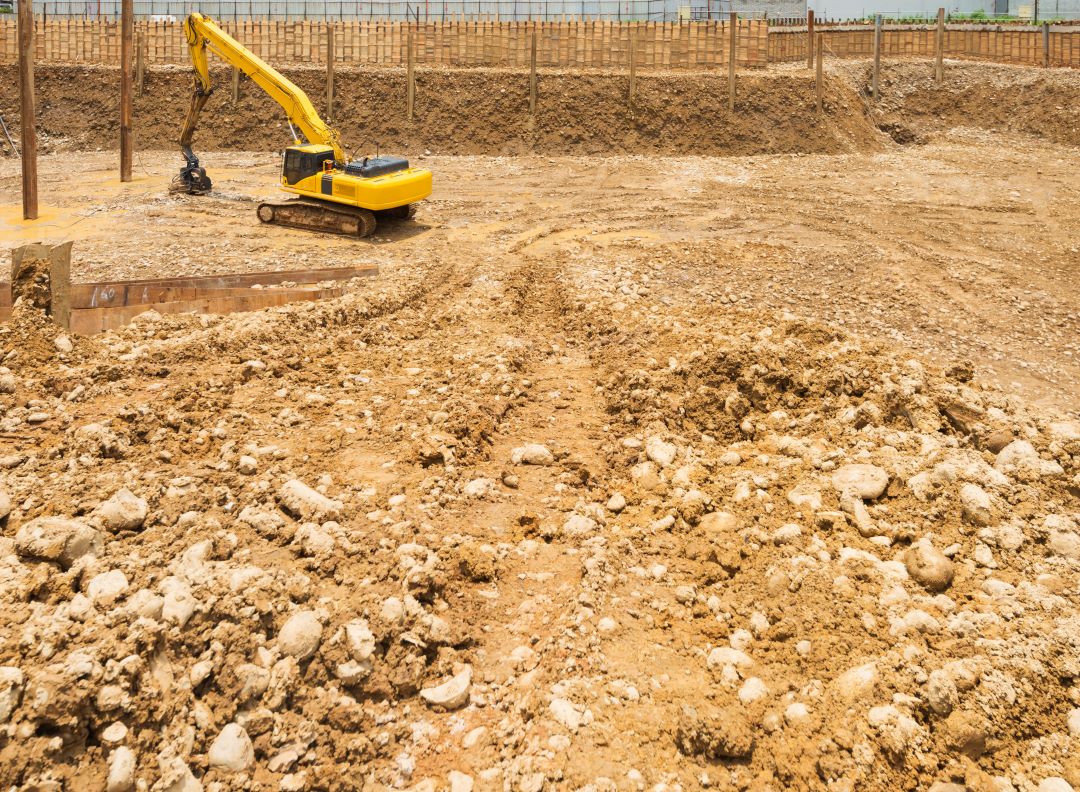
Site preparation in construction is one of the preliminary steps that quietly determines how successful your project will be. It’s not the most exciting part, but it’s what holds everything together and ensures the overall stability of your build.
While seeing the visible progress of pouring concrete and starting structural work may be tempting, your project can come to a halt pretty fast if the ground preparation isn’t done right from the beginning.
Things like uneven ground or poor drainage can lead to stress and delays, and make simple tasks cost more time and money than they should. Therefore, the preparation of construction sites needs to be thorough.
In this blog, we’ll explain 4 benefits that proper site preparation in construction can bring to your project and how it impacts the overall success of your project.
1. Ensures a Stable Foundation
Every project starts from the ground up and if the foundation isn’t properly prepared, the consequences can affect the entire build. Issues like ground movement, cracks, poor drainage, or structural shifting often stem from inadequate site preparation.
At this stage, you’re not just clearing space, you’re creating the foundation for proper weight distribution, long-term stability, and structural integrity. Skipping steps like thorough compaction or failing to address soft spots in the ground can lead to costly issues down the line, including uneven settling or structural failure.
Additionally, ensure you use the correct subbase to get the best quality foundation for your project. When this stage of the ground preparation is done right, you can rest assured that the issues mentioned above won’t happen in your project.
Getting it right early on saves you the hassle of making costly fixes later or dealing with unexpected downtime. It keeps the rest of your build running smoothly and gives you confidence that what you’re building on is dependable.
2. Prevents Delays & Rework
Time lost on-site usually comes down to poor planning or missed steps early on, and one of the biggest causes involves rushing the preparation of construction sites.
If the ground hasn’t been properly levelled, cleared, or compacted, problems will quickly surface once materials or equipment arrive on site. This often results in rework, delays, and idle time, all of which could have been avoided with thorough preparation. The knock-on effects can disrupt your schedule and increase project costs.
Rework not only slows things down but also disrupts the flow of your project. What should have been a straightforward build becomes harder to manage, especially if trades overlap or materials arrive too soon.
Good site preparation in construction helps you avoid these setbacks and improves your timeline by giving your team a clean, functioning area from the start.
3. Supports Safety & Compliance
The safety and compliance of your project begin well before you lay the first brick. It starts with planning, and when the groundwork isn’t planned properly, things can go wrong fast.
Slopes, soft ground, and poor drainage can create unsafe working conditions. Uneven surfaces increase the risk of equipment getting stuck or tipping during transport, while unstable footing can lead to worker slips or falls. These hazards not only disrupt operations but also breach Health and Safety Executive (HSE) regulations, putting your team and your project at risk.
Addressing ground conditions early significantly reduces these risks. A clean, level site improves mobility, keeps equipment stable, and creates a safer, more efficient working environment.
It also means you’re more likely to stay in line with building standards, including proper drainage, right subbase depths, safe access throughout the site, and clearly defined working zones for vehicles and personnel.
4. Improves Project Coordination
Proper site preparation in construction gives your project a defined structure right from the start. With access routes mapped out, working areas clearly marked, and the ground ready for use, it becomes much easier to plan the flow of your work.
When your site is properly prepared, suppliers can deliver the required aggregates on a fixed schedule with confidence, knowing the space is ready. This level of coordination reduces on-site stress, keeps workflows orderly, and prevents delays caused by teams overlapping or waiting for access.
Without proper groundwork in place, even simple jobs can clash or run behind. For instance, some of your crew might have to stop and adjust if there are any delays due to trouble moving equipment across the site.
In the worst-case scenario, your workers would be forced to settle for alternatives that can negatively impact the overall quality of your construction project.
Contact Middleton Aggregates for Reliable Subbase Materials
Now you know the importance of site preparation in construction, you might be looking for a reliable supplier of subbase materials to create a solid, stable foundation that stands the test of time. That’s where Middleton Aggregates may be able to help you.
At Middleton Aggregates, we supply a wide range of durable aggregates and fill materials for various construction and landscaping projects. We also offer a plant hire service to meet all your construction needs.
Operating from Blackborough End, King’s Lynn, we serve Norfolk, Suffolk, Lincolnshire, Cambridgeshire, and the wider UK. Our team of industry experts is always available to provide you with the best advice on any questions you may have.
For more information on our products and services, visit our website or contact us to find out more.
6 Common Mistakes in Construction Material Management
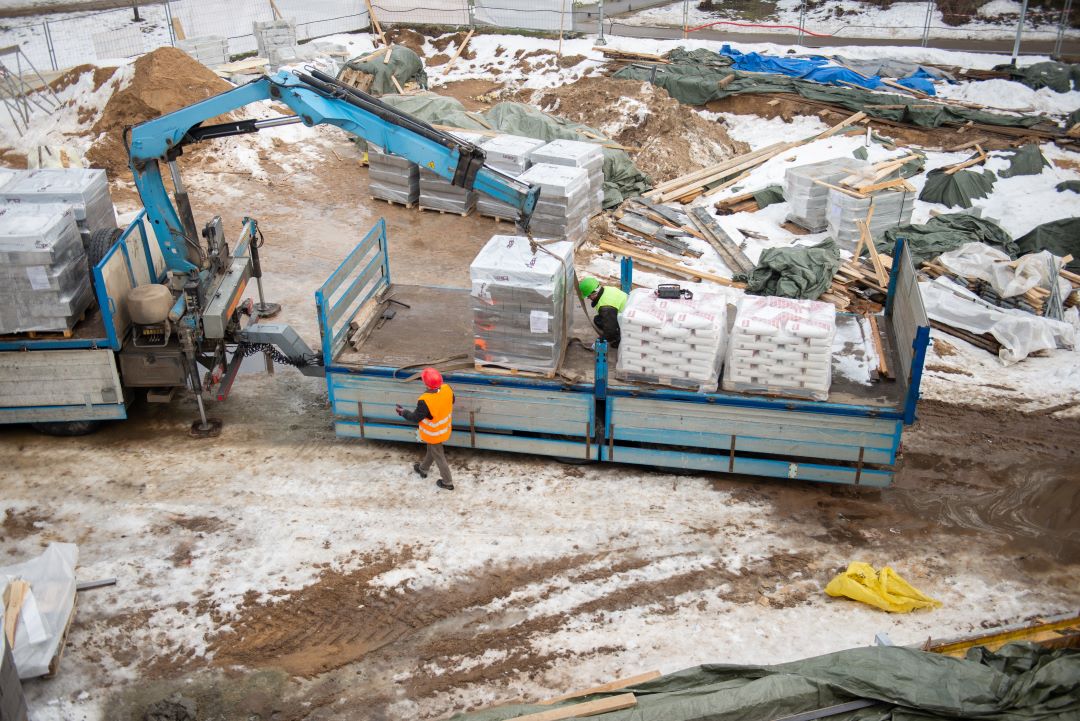
Construction material management involves everything from choosing the right aggregate storage options to proper aggregate handling and inventory tracking to preserve your stock.
There are some common mistakes that are often made by builders and contractors during construction material management. Things can easily go off course when these mistakes occur and materials aren’t stored or tracked the way they should be.
Even with the best intentions, material management might take a back seat once work gets going on your site. The focus naturally shifts to keeping up with deadlines and making sure everything runs on time, but ironically, that’s precisely what leads to these mistakes and messes up your timeline.
In this blog, we’ll explain 6 common mistakes in construction material management that you should keep an eye out for in your next construction project.
1. Ignoring Proper Aggregate Storage Options
Storing aggregates without proper protection can lead to contamination or clumping. Rain, dirt, mixing materials, or exposure to excessive moisture can make your stock unusable.
This causes delays because damaged materials must be replaced, and fixing storage problems mid-project takes away time from other important tasks, reducing productivity.
You can avoid making this mistake by setting up covered, well-drained storage areas to keep materials clean and easy to access for the full duration of your project.
2. Failing to Track Inventory Accurately
When your construction project gets rolling and the workload increases, it’s easy to lose track of what your inventory looks like. Due to this, you might run short right when you need things.
This kind of mix-up means people have to stop working while you sort out more materials, or deal with inventory sitting around unused. It’s frustrating for everyone involved and can slow everything down.
The best way to tackle this is by keeping a simple count and checking inventory regularly. If possible, use digital tools to track inventory, as paperwork can get lost more easily and is more prone to human error.
3. Overlooking Regular Stock Audits
Without regular stock checks, damaged materials or shortages can go unnoticed, resulting in delays. This forces last-minute orders or replacements that throw off your schedule.
Not knowing exactly what’s available also makes planning difficult, leaving you guessing whether you should reorder in bulk or wondering how much you need to keep on site to keep your project running.
A quick, routine inspection can help you spot problems early and keep things on track. Walking through your storage area and keeping a regular count of inventory is a good habit to have. Alternatively, you can also rely on digital inventory tracking tools to make things more simple.
4. Poor Aggregate Handling Practices
Rough handling of aggregates can cause damage before they even make it to your build. Dropping, dragging, or overloading materials can break down their quality and make them less effective.
This leads to wasted materials and extra costs because you’ll likely need to replace what’s damaged. It also slows down work when teams have to deal with unusable stock.
The best approach is to train your team on careful handling and use the right equipment to move materials across the site gently to protect your stock and keep your project running smoothly.
5. Inadequate Planning for Material Demand
Failing to accurately estimate your material requirements can create significant problems during a project. You might run out of aggregates partway through, causing costly delays, or over-order and be left with excess materials cluttering the site. Both scenarios disrupt workflow, increase logistical challenges, and often lead to rushed, last-minute orders, all of which can throw your project schedule off track.
That’s why figuring out what you need before the construction process begins is important, as it helps avoid surprises and makes the whole process more streamlined.
6. Neglecting Environmental Factors in Storage
Leaving materials exposed to the elements can lead to issues that aren’t immediately obvious. Rain can erode or contaminate aggregates, while extreme heat or cold may alter the properties of certain materials, affecting their performance during use.
If you don’t keep an eye on this, you could end up with damaged goods that slow down the job or need replacing. This also affects the overall quality of your build, as materials need to be in top shape for the best results.
Choosing a storage location that offers protection from harsh weather, such as under cover or in a sheltered area and regularly inspecting your materials can help prevent damage. This ensures your construction materials remain in good condition and ready for use when needed.
Contact Middleton Aggregates for a Reliable Supply of Construction Materials
Now you know the common mistakes made in construction material management, you may be looking for ways to avoid delays or quality issues on your next project. That starts with having a supplier you can count on for top-quality materials, delivered when you need them.
At Middleton Aggregates, we supply a wide range of durable aggregates and fill materials for various construction and landscaping projects. We also offer a plant hire service to meet all your construction needs.
Operating from Blackborough End, King’s Lynn, we serve Norfolk, Suffolk, Lincolnshire, Cambridgeshire, and the wider UK. Our team of industry experts is always available to provide you with the best advice on any questions you may have.
For more information on our products and services, visit our website or contact us to find out more.
How Software is Revolutionising Aggregate Storage at Scale

At a Glance
Digital yard management software (YMS) enables aggregate storage sites to monitor stockpiles, vehicle movements, and compliance in real time. By replacing manual systems with integrated digital tools, yards can reduce delays, improve scheduling, and streamline operations. The right YMS offers measurable ROI, seamless integration, and long-term scalability for bulk material handling.
Digital Yard Management
Digital yard management in aggregate storage is one of the most important shifts in how yards operate today. The growing demand for faster deliveries and tighter compliance means that traditional paper or manual systems often struggle to keep up. For sites handling bulk aggregates, even a small delay can affect schedules and raise costs.
This is where yard management software (YMS) can make a significant difference. The primary purpose of these digital systems is to give you better clarity into what is happening across your yard, in real time.
Using a YMS, you can track vehicle movements and stock levels from a single platform. With that kind of visibility, your team can plan with confidence and avoid mistakes that lead to costly delays.
For aggregate yards in particular, challenges such as material tracking or compliance reporting often demand more than spreadsheets or manual checks. Digital aggregate yard management tools can fill these gaps with features like automated scheduling and real-time yard monitoring. These features give your managers greater control and support long-term efficiency.
In this blog, we will explain the features of digital yard management software and how it addresses common issues in aggregate storage. We’ll also cover things you must consider before choosing a system for your operations.
What Is Yard Management Software (YMS)
Yard management software is a digital system that helps organise everything that happens inside a busy yard. It gives you a single place to coordinate everything from vehicle arrivals to gate access and material updates, instead of juggling paper logs or separate spreadsheets. The idea is to simplify complex processes so you can keep control without slowing work down.
For aggregate storage sites, this kind of clarity can make a real difference. Moving bulk materials involves constant activity, and even a short delay at the gate or a mistake in stock records can throw off schedules. A YMS helps keep things in check by providing live updates on vehicle movement and stockpile status across the site.
The benefits of digital yard management in aggregate storage extend beyond vehicle flow and scheduling. YMS can also support environmental compliance and reporting, which are essential for sites handling aggregates. By automating logging and maintaining digital records, managers save time and reduce the risk of errors that manual systems may cause.
Another advantage of these systems is the ability to integrate key yard operations with other operational systems. For example, stock levels can be linked to procurement, or vehicle timings can be linked directly to weighbridge data. These integrations make aggregate yard management tools much more efficient, supporting both daily operations and long-term planning.
In simple terms, digital yard management in aggregate storage gives managers the clarity they need to run smoother, safer, and more cost-effective operations. This foundation is what makes YMS such a vital step for yards looking to scale with confidence.
How Digital YMS Solves Aggregate Storage Challenges
Aggregate storage yards deal with constant activity. From trucks arriving at the gate to the movement, a single mistake can cause significant delays. Traditional systems (involving manual paperwork) often struggle to keep pace, which makes delays and extra costs harder to avoid.
Digital aggregate yard management tools bring these issues under control by focusing on the areas that matter most. Their key benefits include:
- Real-time stock visibility: Managers know exactly how much material is available and where it is stored.
- Automated compliance logging: Records for environmental and safety checks are kept up to date without manual effort.
- Improved scheduling & gate flow: Driver waiting times are reduced, keeping fuel and labour costs in check.
By addressing these challenges directly, digital yard management in aggregate storage gives teams the clarity to make faster decisions and the control to keep projects on track. This steady flow of accurate information is what helps yards deliver better results with fewer setbacks.
Choosing the Right YMS – ROI, Integrations & Future Trends
When evaluating yard management solutions, the first question is usually around return on investment. The right system should ease bottlenecks across the site and reduce the hours, delivering efficiency gains that outweigh the system costs.
Integration is another deciding factor. A modern YMS should integrate seamlessly with existing systems, such as ERP software and weighbridges. Many providers are now moving towards cloud-based yard management for construction aggregate yards, making it easier to scale and adopt future updates, such as AI-driven forecasting.
For site managers or builders looking to improve their processes, keeping an eye on digital innovation is key. While Middleton Aggregates focuses on supplying quality materials, it also understands the value of efficient, well-run yards. Exploring digital yard management is a natural next step if you want to match strong supply with stronger operational control.
Contact Middleton Aggregates for Reliable Aggregate Supply
At Middleton Aggregates, we supply a wide range of durable aggregates and fill materials for various construction and landscaping projects at reasonable rates. We also offer a plant hire service to meet all your construction needs.
Operating from Blackborough End, King’s Lynn, we serve Norfolk, Suffolk, Lincolnshire, Cambridgeshire, and the wider UK. Our team of industry experts is always available to provide you with the best advice on any questions you may have.
For more information about our products and services, visit our website or contact us.
What Is Subbase Made Of & Why Does It Matter?
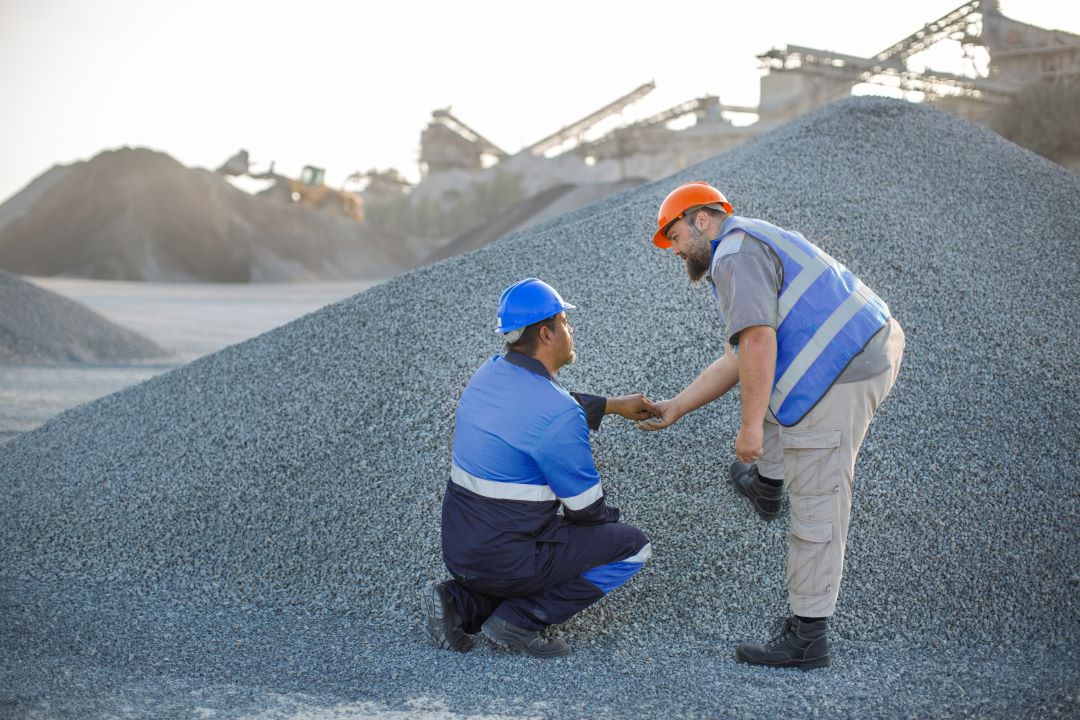
Subbase is one of the most important parts of laying strong foundations for construction and landscaping projects. But what is subbase made of, and why is it so important?
The answer might be obvious to some, but when you’re working on different types of groundwork, the details can make all the difference. Knowing what subbase is made of can make choosing the right aggregates easier and enhance the overall quality of your build.
This is because understanding what subbase material is gives you more control over the results. You’ll know when to go for compacted granular materials and when recycled aggregates might offer the same strength at a lower cost.
If you want solid, lasting groundwork, it all starts at the subbase. In this blog, we’ll cover the most common subbase materials used in construction, along with what to look for and when each type is the best fit.
What Is Subbase Material?
Subbase material is typically made up of crushed, compactable elements that create a firm layer, suitable for withstanding heavy loads. It needs to bind well when compacted to support heavy use without shifting, while also allowing for proper drainage so water doesn’t sit below the surface.
Every solid build starts from the ground up, and that’s where the subbase layer makes a difference. It ensures that the structures above, such as patios and driveways, stay strong, stable, and level over time.
For most groundwork jobs, it’s the subbase doing all the heavy lifting. It endures the weight and gives the whole build a better chance of lasting without constant patch-ups. You might not see it visibly once the project is complete, but a solid subbase quietly does its job in the background and prevents frequent maintenance.
A good subbase material will always work with the ground, not against it, helping to reduce movement and prevent issues like cracking, sinking, puddling, or surface lifting later down the line.
Common Types of Subbase Materials
There are some tried-and-tested subbase materials that are commonly used in groundwork projects across the UK. All of them have their own strengths and weaknesses, and choosing the right materials depends entirely on what you’re building.
Here are some of the most common types of subbase materials used in projects:
1. Type 1 MOT
Type 1 MOT is made from crushed stone, such as limestone, granite, or sometimes concrete, and it compacts down really well. It’s often used in driveways, roads, patios, pathways, and anywhere that needs a strong, stable base.
2. Type 2 & Type 3 Subbase
Type 2 is similar to MOT Type 1 but contains a higher proportion of fines. It compacts nicely, but isn’t ideal for drainage-heavy areas. Type 3 is more open and drains better, which makes it suitable for Sustainable Drainage Systems (SuDS) or any jobs where water build-up may be a potential issue.
3. Recycled Aggregates
Recycled aggregates are a solid option if you’re tight on budget, as they’re made from crushed concrete, brick, and other reclaimed materials and can help you save money. They’re a sustainable alternative that can be used for paths, access tracks, driveways, or even as fill materials.
4. Scalpings
Scalpings are a cheaper alternative to Type 1 aggregates and are usually made up of limestone or granite. They are a by-product of the quarrying process and form a rough mix with a fine texture. They also bind well when compacted, making them ideal for surfaces where a durable and stable base is required.
5. Sand
Sand is commonly used for lighter construction tasks or as a bedding layer beneath paving, blocks, or pipes. It provides good drainage and creates a level base, but it isn’t strong enough to support heavy loads.
Why Does Subbase Material Matter?
Subbase aggregates play a vital role in groundwork because they form the load-bearing layer. Choosing a material that compacts properly and provides adequate drainage is essential; otherwise, the project may suffer from poor build quality and long-term structural issues.
Choosing the right subbase materials means your build lasts longer, and you don’t have to keep coming back to patch it up for issues such as cracking, sinking, or surface lifting.
The right subbase material also impacts how easy the rest of your project will be to complete. A stable, well-draining base makes the process of laying the surface above smoother and more efficient. It also reduces the chances of unexpected delays caused by ground movement or water damage down the line.
Contact Middleton Aggregates for Reliable Subbase Materials
Now you know what a subbase is made of and how much the subbase materials can impact the quality of your build, you may be looking for a trusted supplier to help you with your next groundwork job. That’s where Middleton Aggregates may be able to help you.
At Middleton Aggregates, we supply a wide range of durable aggregates and fill materials for various construction and landscaping projects. We also offer a plant hire service to meet all your construction needs.
Operating from Blackborough End, King’s Lynn, we serve Norfolk, Suffolk, Lincolnshire, Cambridgeshire, and the wider UK. Our team of industry experts is always available to provide you with the best advice on any questions you may have.
For more information on our products and services, visit our website or contact us to find out more.
4 Construction Materials That Can Be Recycled from Waste
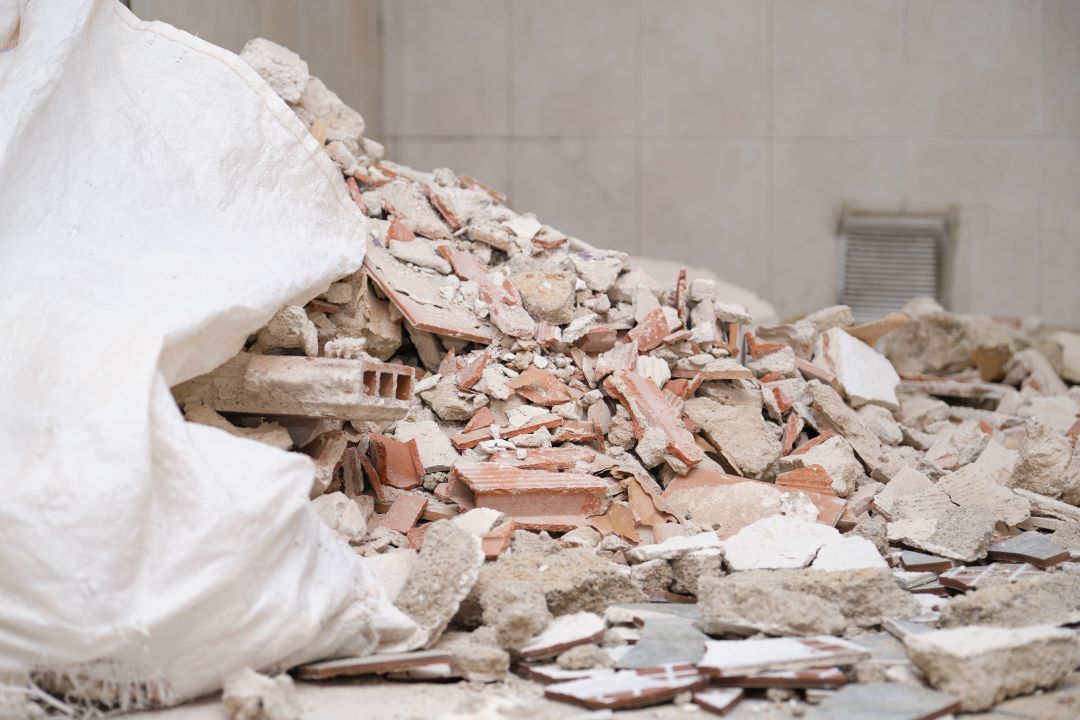
Construction and demolition projects typically generate a significant amount of waste in the form of materials like concrete, wood, metals, plastics, and other debris. However, not all of these materials need to go to a landfill.
You can recycle the construction materials from waste and reuse them with the right processing. This eliminates the need for purchasing new bags of materials and also saves money.
Construction waste statistics highlight just how much material ends up discarded on most sites, often far more than is reused. By focusing on recycling wherever possible, you can significantly reduce the amount of waste heading to landfills.
This also supports wider sustainability goals, which can be crucial if your project needs to meet strict eco-friendly standards. What’s more, many recycled materials provide equal durability and quality as virgin aggregates, so you won’t be compromising on aggregate quality either.
In this blog, we’ll go over examples of waste materials and which construction materials from waste can be recycled to help you reduce waste in construction and deliver a high-quality build.
1. Concrete
Concrete is one of the most common materials recycled from construction waste. After being broken down concrete can be crushed into smaller pieces that can be used as a subbase or mixed with new aggregates.
It is one of the most widely demanded composite materials in the construction industry, as it can be used in a variety of applications, such as foundations, road bases, driveways, drainage systems, and more.
As long as you ensure that the recycled concrete is clean and processed properly by your supplier, reusing this construction material from waste can yield great results while being an efficient option, both for cost and project quality.
2. Brick
Old bricks from demolition sites can be crushed and reused in various ways. For instance, crushed brick makes a good bulk fill, especially on non-structural groundwork projects.
Brick also blends well with other recycled aggregates to create a stable subbase layer, as it adds texture when used in landscaping or as a decorative fill. Due to their porous nature, they help improve drainage when mixed into subbase materials, reducing water pooling and helping maintain a solid base.
Recycled bricks can be a great choice for projects that require a warm, natural tone to blend in with the environment. If you plan on using recycled bricks for pathways, garden beds, or decorative borders, just make sure they’re free from contaminants like paint or mortar to get the best results.
3. Asphalt
Asphalt from old roads and driveways can be crushed and reused as a strong, flexible subbase. It’s ideal for withstanding heavy loads, making it ideal for many landscaping projects.
Mixing recycled asphalt with new asphalt materials also increases the durability and longevity of your build, as it adds a thick layer that improves surface stiffness and reduces the probability of any cracking.
Recycled asphalt offers a practical way to reduce waste in construction while maintaining the strength and resilience your project needs. We recommend using this aggregate for any groundwork jobs that need to stand the test of time.
4. Hardcore & Mixed Rubble
Hardcore includes a variety of leftover rubble such as tiles, ceramics, and mixed demolition waste. Once crushed, this material can be reused for bulk fill or temporary haul roads.
Hardcore fill is a rough and ready mixture of aggregates, making it useful for many groundwork jobs. They fill gaps fast and compact well, especially when layered with finer materials on top.
For larger sites where clean separation of materials isn’t always possible, recycled rubble offers a simple way to keep things moving without wasting usable aggregates.
Contact Middleton Aggregates for Quality Recycled Aggregates
Now you know the benefits of recycling construction materials from waste and which ones can be recycled in the first place, you may be looking for a reliable supplier of recycled materials. That’s where Middleton Aggregates may be able to help you.
At Middleton Aggregates, we supply a wide range of durable aggregates and fill materials for various construction and landscaping projects. We also offer a plant hire service to meet all your construction needs.
Operating from Blackborough End, King’s Lynn, we serve Norfolk, Suffolk, Lincolnshire, Cambridgeshire, and the wider UK. Our team of industry experts is always available to provide you with the best advice on any questions you may have.
For more information on our products and services, visit our website or contact us to find out more.
What Aggregate Quality Tells You About Your Supplier
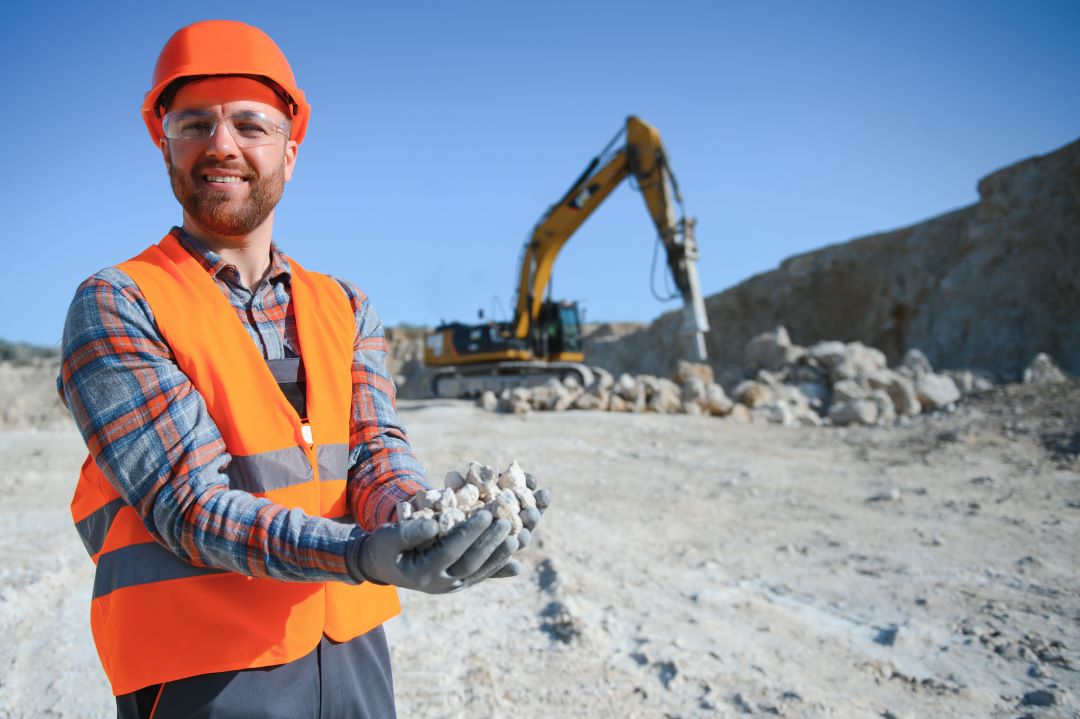
When you’re buying materials for a project like a commercial build, a home garden, or even a basic pathway, you want to be sure that you’re getting good value. This is especially true for the materials that form the base of any construction project, the aggregates.
Many professionals understand that the quality of stone, gravel, concrete, or sand can vary, even if it looks clean on a surface level. The subtle differences in aggregate quality can impact the durability, ease of use on-site, and the overall quality of our project.
More importantly, aggregate quality tells you a lot about the supplier you’re buying from. For instance, a supplier who takes shortcuts with their material is likely doing the same in other areas, too.
On the other hand, a supplier who delivers top-grade aggregate time after time? That’s someone who values your project just as much as you do and wants to ensure the highest quality.
In this blog, we’ll explain how to check aggregate quality and highlight what the quality of good aggregates should look like to help you choose a supplier you can trust.
1. Commitment to Sourcing From High-Quality Quarries
A good aggregate supplier will always get their aggregates from high-quality quarries, as these places follow strict rules to make sure the stone or gravel is solid and reliable. It shows that the supplier is as committed as you are to ensuring a high-quality build of your project.
Reputable suppliers handle their materials carefully, so you won’t end up with unwanted bits or weak stones that cause trouble later. When a supplier sticks with quality sources, it usually means they understand how important strong materials are for lasting results.
Some suppliers might look for cheaper options, but those often come with hidden problems like shifting or wear that shows up too soon. These problems are the perfect recipe for repairs or frequent maintenance costs down the line, making it essential to find alternative suppliers who prioritise these things.
At Middleton Aggregates, we own our quarries, allowing us to personally handle, sort and deliver your aggregates from start to finish, delivering nothing but the absolute best in aggregates.
2. Strict Quality Control Processes in Place
To ensure good aggregate quality, a trusted supplier will always start with clear checks to ensure compliance with industry standards. They’ll regularly test their materials for size, strength, moisture, and other key specs before sending them out to you.
These checks essentially guarantee that the aggregates you’re getting are consistent from load to load. They also lower the chance of issues like weak spots or uneven compaction that could slow down your project or affect the final build.
If a supplier takes the time to monitor and control quality properly, it shows they care about looking out for the long-term performance of your build. Therefore, it might be a good idea to ask your supplier what quality checks they run and how often before placing any orders from them.
3. Consistency in Product Delivery
Aggregates that match the same standard every time make a big difference on site. They allow for smoother planning, fewer surprises, a durable build, and more reliable results, especially on larger or repeat jobs where uniformity is a top priority.
Shifts in grading, texture, or moisture between loads can throw things off. For example, concrete mixes might sometimes not bind the same way, or drainage layers could compact unevenly.
These inconveniences can add up gradually and create bigger problems over time, affecting the long-term performance of your project. Suppliers who maintain consistency across aggregate deliveries tend to have better control over their processes.
This consistency in product delivery is a clear sign that suppliers are invested in what happens after the aggregates leave their yard, and aren’t doing it just to tick off the order.
4. Transparency About Material Specs & Certifications
If a supplier is confident in their aggregate quality, they’ll openly share information about their materials without hiding any vital information. Details like grading, source, certification, and cost should always be transparent, as they directly impact the quality of your project.
When you’re working with clear specs, it also reduces the need for guesswork. For instance, when you know things like grading or moisture content, you can get a better understanding of how the aggregate will behave on site, avoiding problems that slow down work or cost extra to fix.
Similarly, certificates show that the material meets set standards and prove that your supplier isn’t cutting corners. Being upfront about pricing alongside specs also prevents surprises later. If your supplier explains why costs are what they are, it builds confidence and shows they value honesty and professionalism.
Contact Middleton Aggregates to Ensure Aggregate Quality
Now you know how aggregate quality can determine the reliability of your supplier, you may be looking for a supplier that you can trust for high-quality aggregates. That’s where we may be able to help you with your next project.
At Middleton Aggregates, we supply a wide range of durable aggregates and fill materials for various construction and landscaping projects. We also offer a plant hire service to meet all your construction needs.
Operating from Blackborough End, King’s Lynn, we serve Norfolk, Suffolk, Lincolnshire, Cambridgeshire, and the wider UK. Our team of industry experts is always available to provide you with the best advice on any questions you may have.
For more information on our products and services, visit our website or contact us to find out more.
How The Aggregate Sourcing Process Impacts Project Success
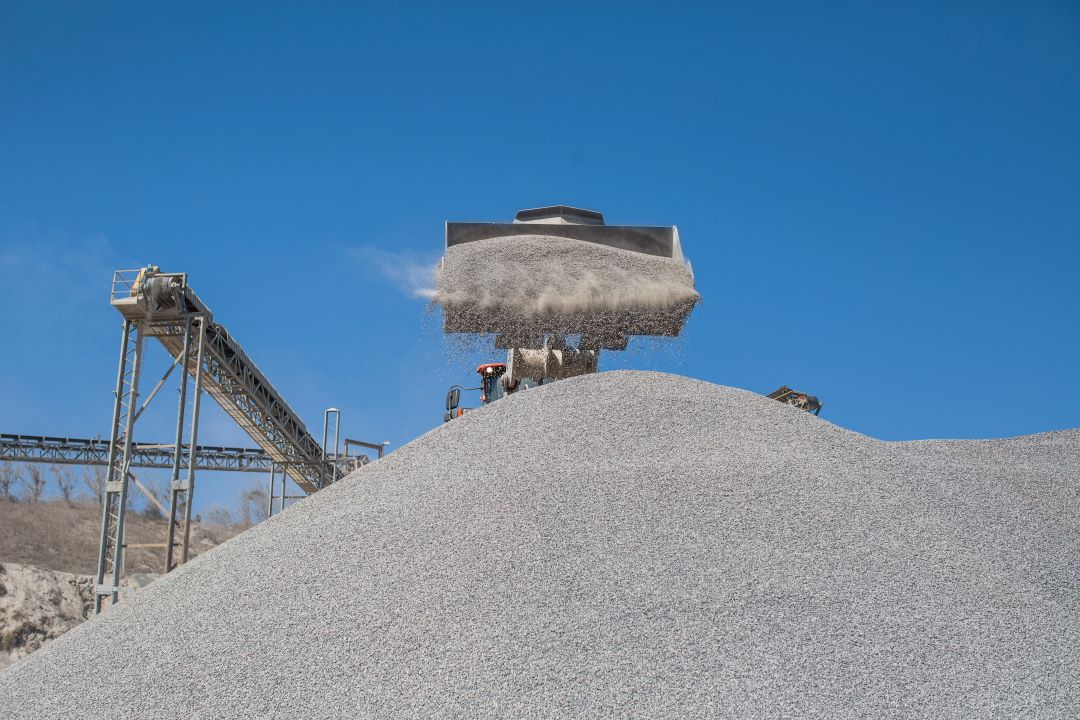
Aggregates play a crucial role in most construction projects, whether it’s laying a driveway, installing drainage layers, pouring concrete, or building a solid foundation. What some builders often overlook is how much the aggregate sourcing side of things can affect the overall outcome of a job.
The way aggregates are sourced, processed, and stored all directly influence their quality and, in turn, impact your construction project’s success. If that quality slips even slightly, it can lead to delays, poor finishes, or costly repairs for your project down the line.
Understanding the ins and outs of the aggregate sourcing process can help you plan better and keep your costs under control, allowing you to make smarter choices for your project.
In this blog, we’ll break down 4 ways in which the aggregate sourcing process quality directly impacts the project. Let’s get started.
1. Reliable Supply Through Bulk Orders
For most building projects, aggregates are needed in large volumes, so it makes sense to think ahead and order in bulk wherever possible. This not only makes the process convenient for you, but your supplier can also create a well-managed aggregate sourcing setup and timeline.
A good plan for aggregate sourcing on your supplier’s end would involve coordinating the aggregates required with demands, so materials are always available when needed.
That’s what makes large-quantity orders more efficient and often cheaper per tonne. You’re more likely to get better deals from suppliers when it’s a full load, rather than multiple smaller deliveries spread over time.
What’s more, when you get all your aggregates from the same batch or supplier, you’re more likely to get the same size, colour, and quality, helping you maintain consistency throughout the job.
2. Tailored Aggregate Mixes for Specific Needs
One major benefit builders get from the aggregate sourcing process is the ability to request mixes tailored to their exact project requirements. Depending on the nature of your build, you might need a specific type of aggregate, which might differ in size, strength, or composition.
When you give your supplier sufficient notice to source aggregates with careful planning and quality control, the results will be better. With the extra time, your supplier can adjust the crushing, sorting, and blending stages to deliver exactly what you need.
Another practical benefit of ordering tailored mixes is that it helps reduce on-site waste. Since the aggregates fit your needs precisely, you won’t have leftover materials that don’t match the job requirements.
This can save the time your workers would have to spend cleaning up, and it can reduce the overall costs of disposing of unused materials. Without interruptions caused by unsuitable aggregates, your team can work more efficiently and focus on the quality of your build.
3. Easier Compliance With Industry Standards
You might not always have the time, equipment, or expertise to test aggregates yourself or monitor every step in the sourcing process. The good news is that suppliers typically handle this crucial step for you.
Suppliers follow strict quality controls and testing procedures to make sure the aggregates meet all required building codes and industry standards before they ever reach your site.
A reliable supplier will always ensure that their aggregates comply with industry standards, such as BS EN 12620 for aggregates used in concrete.
When your aggregates meet the right standards from the start, your project avoids delays or extra costs caused by on-site surprises later. It’s a straightforward way to keep things running smoothly and ensure that your builds are solid.
4. Better Overall Project Planning
The predictability that comes with understanding the process of aggregate sourcing cannot be overstated. It allows you to be detailed with your project planning and keep some breathing room in case you run into any surprises during the project.
With the knowledge of where aggregates come from and the time taken to source them, you can place the exact aggregate orders that you need. You’ll also be able to plan around the sourcing process, without worrying about complicated timelines or unsuitable materials.
What’s more, materials that consistently meet your project’s specifications reduce the need for rework or adjustments, keeping the workflow steady and efficient.
Dependable supply and consistent quality contribute to smoother project management, helping you maintain momentum on site and deliver projects on time.
Contact Middleton Aggregates for Reliable Aggregate Delivery
Having a solid grasp of the aggregate sourcing process and its impact on project planning makes choosing a reliable supplier even more important. Now that you know how it can affect your project, you may be looking for an aggregate supplier to suit your project’s needs. That’s where we can help.
At Middleton Aggregates, we supply a wide range of durable aggregates and fill materials for various construction and landscaping projects. We also offer a plant hire service to meet all your construction needs.
Operating from Blackborough End, King’s Lynn, we serve Norfolk, Suffolk, Lincolnshire, Cambridgeshire, and the wider UK. Our team of industry experts is always available to provide you with the best advice on any questions you may have.
For more information on our products and services, visit our website or contact us to find out more.
4 Tips to Ensure Aggregate Storage Compliance in the UK
At a Glance
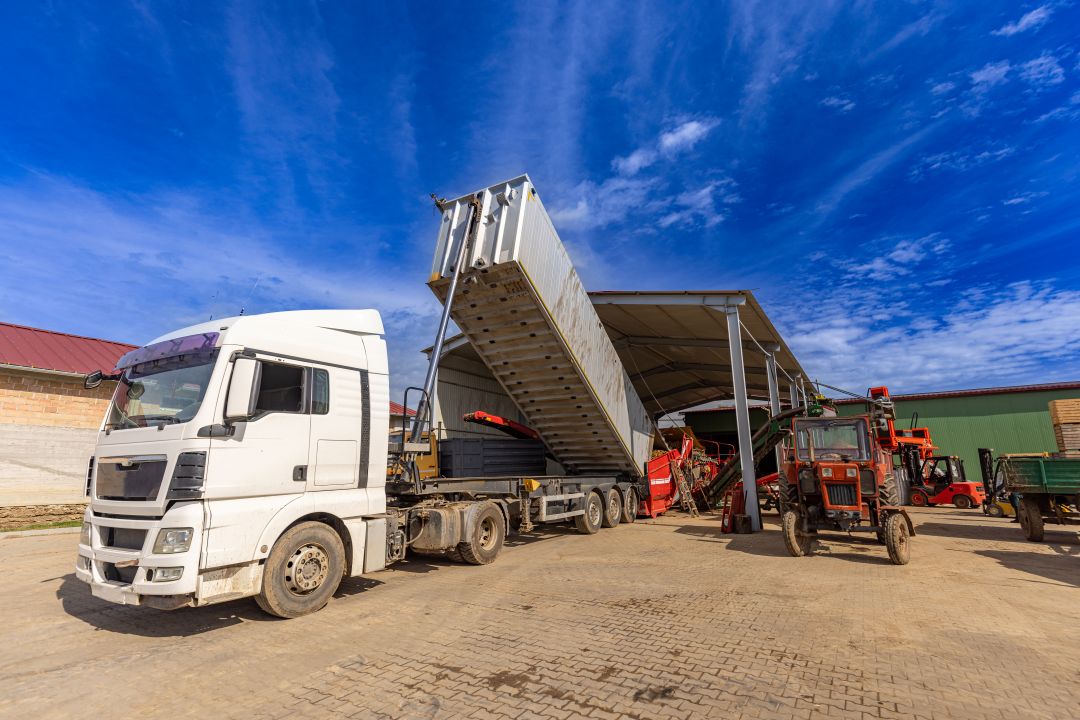
Poor storage practices can lead to serious compliance breaches across drainage, dust control, and contamination. Aggregate storage compliance in the UK requires clear labelling, safe containment, and dust risk management. Gaps often arise from unreliable suppliers or missing documentation. Middleton Aggregates provides compliant, clearly classified materials to help contractors meet regulations.
Why Aggregate Storage Compliance Matters
Proper aggregate storage plays a key role in keeping your project compliant and on track. However, when storage isn’t managed properly, it can lead to serious health and safety risks, which in turn lead to compliance issues.
Aggregate storage compliance in the UK is regulated under several frameworks, covering drainage, dust control, cross-contamination, fire safety, and more. Meeting standards for aggregate storage compliance regulations is crucial to avoid costly penalties, and sometimes, even total site shutdowns.
Good storage practices also help maintain consistency on-site. When materials are clearly marked and regularly checked, it becomes easier for your team to work efficiently and keep your project timeline on track.
In this guide, we’ll explore 4 crucial tips that can help you stay compliant with the UK’s aggregate storage regulations.
1. Key Health, Safety & Environmental Risks in Aggregate Storage
Loosely handled aggregates can pose physical risks across any active site. For example, if aggregate storage is inadequiate, your workers could potentially slip on gravel or trip and fall near unstable piles. In some cases, fine material can even affect machinery or trigger minor collisions.
Additionally, managing dust in aggregate stockpiles is a key part of staying compliant, because dust particles can settle on surfaces and affect air quality if proper controls aren’t in place.
These issues are covered under UK HSE regulations, which highlight the need for regular monitoring and clear mitigation steps.
2. Drainage, Containment & Fire Prevention Measures
Basic infrastructure goes a long way in reducing compliance risks. For instance, you can create containment barriers, known as bunds, to contain loose material or runoff from unexpected spills. Similarly, ensure you have impermeable surfaces on-site to stop contaminants from reaching the soil.
What’s more, good drainage plays a role in fire prevention as well. It does so by keeping water, fuel, and other flammable substances from pooling around your stockpiles.
Legal requirements often focus on the bare minimum, such as drainage channels, surface sealing, and access to emergency equipment.To achieve better results, it’s important to go beyond compliance.
Regular inspections, covered storage for dry aggregates, accessible equipment and training, and on-site fire control plans help reduce the chance of incidents and show a clear effort to stay in line with the aggregate storage compliance in the UK.
3. Improper Labelling & Material Tracking
If you’re wondering how to avoid cross-contamination in aggregate storage, clear labelling and accurate material tracking are a great place to start. Without them, your team might confuse materials and mix incompatible aggregates, which can lower the quality of your build while leading to compliance issues.
Improper tracking can also cause delays during audits or inspections, especially if you’re unable to show records of where materials came from or how they’re being stored. This is particularly important when working with recycled aggregates or hazardous materials.
To ensure that you’re following the regulations of aggregate storage compliance in the UK, use visible signs and clear stockpile boundaries regularly while constantly updating your inventory records. Labelling by type, source, and date of delivery also helps your team stay organised and ready for audits.
4. Compliance Gaps Caused by Unreliable Suppliers
A weak supply chain often sets off a chain reaction of site issues. Materials delivered without clear classification or consistency can lead to storage confusion or cross-contamination. These mistakes are harder to reverse once your site setup is in full swing.
Suppliers with no clear quality checks or reliable delivery process also increase the risk of incorrect tracking. This creates knock-on effects for drainage planning and other containment strategies that you might want to be working towards.
It only takes a few missing records or unclear batch details to create problems during an inspection. Even if storage practices are sound, gaps in documentation can cause compliance breaches under UK aggregate storage compliance regulations.
Contact Middleton Aggregates for Compliant Aggregate Supply
Now you know how to remain compliant with the aggregate storage regulations, you may be looking for a reliable supplier that can ease this part of the planning process. That’s where Middleton Aggregates can help you.
At Middleton Aggregates, we supply a wide range of durable aggregates and fill materials for various construction and landscaping projects at reasonable rates. We also offer a plant hire service to meet all your construction needs.
Operating from Blackborough End, King’s Lynn, we serve Norfolk, Suffolk, Lincolnshire, Cambridgeshire, and the wider UK. Our team of industry experts are always available to provide you with the best advice on any questions you may have.
For more information on our products and services, visit our website or contact us to find out more.