What Is Self-Binding Gravel and Is It Right for Your Project?
At a Glance
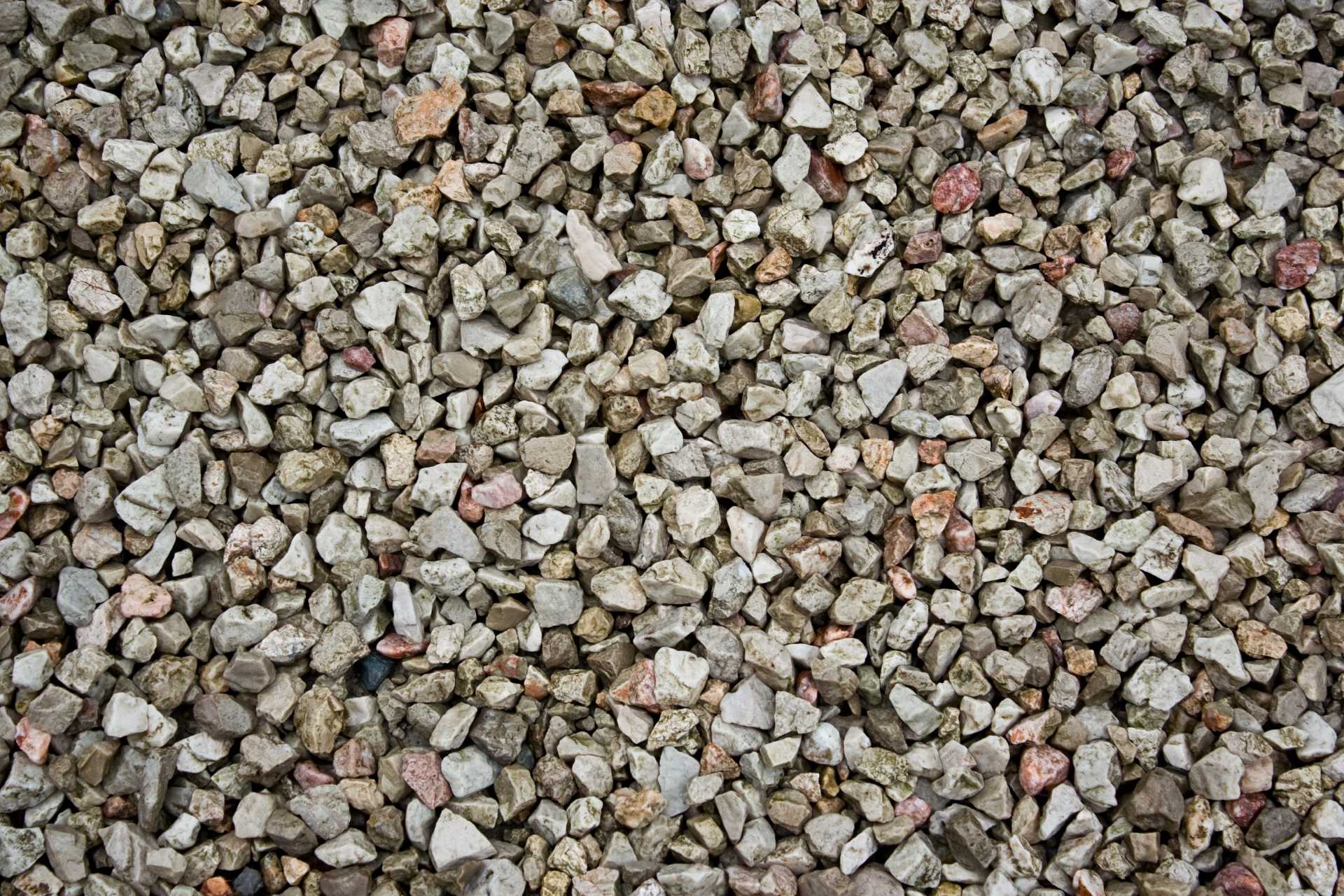
Self-binding gravel combines stone particles with fines that help the material knit together when compacted. It creates a natural-looking surface, unlike the loose finish of clean decorative gravel. Suitability depends on the particular product, traffic, gradient, drainage and access requirements. It is not automatically permeable, maintenance-free or suitable for every vehicle route.
Is Self-Binding Gravel Right For Your Project?
A gravel path can mean very different things. One may have loose, visible stones that move underfoot. Another may have a tighter, compacted finish with much less movement.
That difference matters when choosing a surface for a commercial landscape, visitor route or courtyard. However, the appearance is only one part of the decision. You also need to know how the surface will be used and maintained.
If you are considering our Hoggin range, tell us whether you need material for a finished surface, subbase or fill. Our Hoggin grades have different properties and intended uses, so we recommend confirming if the selected grade is suitable for self-binding purposes before ordering.
In this guide, explore what self-binding gravel is, how it differs from loose gravel and how long self-binding gravel lasts.
What Is Self-Binding Gravel?
Self-binding gravel contains a mixture of larger particles and fine material that compact together into a close-textured surface.
This type of gravel does not form a rigid slab like concrete, nor does it use the same binding process as a resin surface. The precise behaviour depends on the material supplied.
The word “self-binding” is not permission to skip the supporting construction. It needs a properly prepared and compacted subbase, with drainage and edge restraints assessed according to the site conditions, intended use and design.
How Does Self-Binding Gravel Differ From Loose Gravel?
Clean loose gravel keeps its individual stones more separate. That can suit a decorative finish, but some movement is part of the surface’s character.
A self-binding finish aims for a tighter surface. However, tighter does not mean sealed, completely immovable or guaranteed to drain at a particular rate.
Consider the practical effect on the site. Will people walk directly from the path into a building? Are there narrow turns, slopes or vehicle manoeuvres? Does the intended finish need to remain level under frequent use?
These questions help you compare surfaces more usefully than colour alone. They also help you identify where a loose stone finish, a bound surface or another design may better meet the requirements.
What is Self-Binding Gravel Used For?
Self-binding gravel is commonly considered for garden paths, landscaped walkways and other routes which need a natural appearance and firm surfaces. However, the right specifications depend on the expected traffic, accessibility requirements and site conditions.
A quiet garden path and the main approach to a busy visitor building have different demands. A route used by delivery vehicles needs a different assessment again.
Accessibility deserves particular attention. The Sensory Trust’s path guidance stresses firm, even surfaces and the difficulties loose materials can create.
A self-binding gravel should not be automatically considered suitable for accessible routes. Its suitability depends on the finished surface’s firmness, stability, gradients and maintenance requirements, particularly where wheelchair users or people with limited mobility will use the route.
Which Other Types of Decorative Stone Should You Consider?
Different types of decorative stone serve different purposes. Start by separating the visible finish from the materials supporting it.
Our Natural Gravel range offers loose-stone options for suitable landscaping applications. Our Hoggin range describes several grades and uses, but those grades should not be treated as interchangeable path toppings.
For example, a product described for deep fill meets a different requirement than a fine surface material. Matching the product to the layer is more useful than assuming any aggregate with fines will produce the same finish.
When comparing an alternative to self-binding gravel, ask for a sample and the intended-use information. Compare the maintained appearance, access needs and supporting construction alongside the material price.
How Long Does a Self-Binding Gravel Surface Last?
The lifespan of a self-binding gravel surface depends on installation quality, traffic levels, drainage and ongoing maintenance. Regular inspections and timely repairs can help maintain the surface quality and prevent localised wear from becoming more extensive.
Regular maintenance should include removing debris, checking for rutting or loose material and investigating areas where water repeatedly collects. Poor drainage, wet conditions and frequent traffic can affect the surface’s stability and may require local repairs.
Maintenance access also belongs in the buying decision. A secluded path may look appealing on a plan, but the site team still needs a practical way to look after it.
A Checklist Before You Order From MiddAggs?
Give the supplier a clear picture of the project.
- Is the aggregate a finished surface, subbase or fill?
- Will the route carry pedestrians, cycles or vehicles?
- Are there access requirements or steep sections?
- Where will rainfall go?
- What supporting construction has the designer specified?
- Who will maintain the finished route?
Avoid assuming that self-binding gravel is a free-draining solution just because it is an aggregate. The complete surface and drainage design need to work together.
At Middleton Aggregates, we can discuss our product range and your site requirements. Enquire for advice and a quote, or call 01553 841044. Include the location, intended use and specification so we can help you choose the appropriate material.


