What Type 1 Subbase Actually Is (and Why Not All Type 1 Is the Same)
At a Glance
MOT Type 1 is a well-graded granular aggregate commonly used to create stable subbases beneath roads, driveways, car parks and paved areas. Its combination of larger aggregate and fines allows it to compact into a dense supporting layer. Choosing the appropriate Type 1, quantity and installation depth is important for long-term performance.
Call or enquire about Type 1 sub base material for your project.
What is Type 1 Sub Base?
If you’re constructing a car park or a driveway, there’s a good chance you’re using Type 1 as subbase material. Also known as MOT Type 1 subbase, it’s one of the most widely used aggregates in UK construction and forms the supporting layer under roads, driveways, yards and paved areas. It’s usually made from crushed rock such as granite, basalt, gritstone or limestone, although the specification also allows crushed concrete and other recycled aggregates. The current specification grades it as a 0/31.5 mm mixture, though it’s often still sold as 0-40 mm.
But not all types of Type 1 subbase are the same, and simply choosing “Type 1” doesn’t always tell you where it’s sourced from, its consistency or how suitable it is for the job. This makes it important to learn the difference before you order aggregates.
In this guide, we explain what MOT Type 1 subbase is used for, the types of Type 1 subbase and what to consider before ordering.
Why Is Type 1 Used as a Subbase?
A subbase is the layer that sits between the natural ground surface and the main load-bearing layer of a structure. The subbase material provides a stable foundation for everything above it.
Type 1, or MOT Type 1, is an unbound mixture specified in clause 803 of the Specification for Highway Works (SHW). Type 1 is defined by specification requirements and not by one particular rock type. The specification sets a grading envelope, which is the permitted range of particle sizes from coarse stone down to fine particles.
These fine particles, or fines, make MOT Type 1 so effective as a subbase. When compacted, the smaller particles fill the gaps between the larger stones and tightly bind the material together. This helps create a dense, stable layer that can support heavy loads without shifting.
How a Properly Compacted Subbase Protects the Asphalt Above It
When you look at a newly surfaced road or driveway, you notice the asphalt. What you don’t see is the structure supporting it.
The loads from cars, vans, HGVs or construction vehicles that travel across the road surface need to be supported by the unbound layers below, not just the asphalt. This is where a correctly installed Type 1 subbase becomes crucial.
Because Type 1 is well graded and includes fines, it compacts into a dense interlocking layer. When installed properly and compacted in layers, it forms a firm platform that reduces movement and distributes load effectively.
MOT Type 1 creates a solid foundation, and in groundworks, the foundation decides how well everything above it performs.
Quarried Type 1 vs Type 1 Granite and What MiddAggs Supplies
A common misunderstanding is that Type 1 refers only to a particular type of stone. In fact, Type 1 is a specification for a well-graded granular material which can be produced in different parts of the country from different rock types or recycled materials. Buyers should not assume that every Type 1 aggregate works the same way.
That’s why you may have come across quarried Type 1 and Type 1 granite.
- Quarried Type 1 is produced from primary aggregate extracted from a quarry and processed to meet the grading. This Type 1 material often comes from a controlled quarrying and processing operation.
- Type 1 granite uses crushed granite, a hard, durable rock, as its source material. Rather than being quarried by us, this material is sourced from specialist granite suppliers to give you another Type 1 option.
MiddAggs supplies high-quality Type 1 and subbase aggregates for a broad array of projects, ranging from domestic driveways to larger civil engineering projects. Before deciding between quarried Type 1 and Type 1 granite, consider the application, project specification, location, availability and required quantity to choose the option that makes the most sense.
If you’re unsure which Type 1 product your project requires, reach out to our team. We’ll be glad to help.
Why Material Quality and Grading Matter
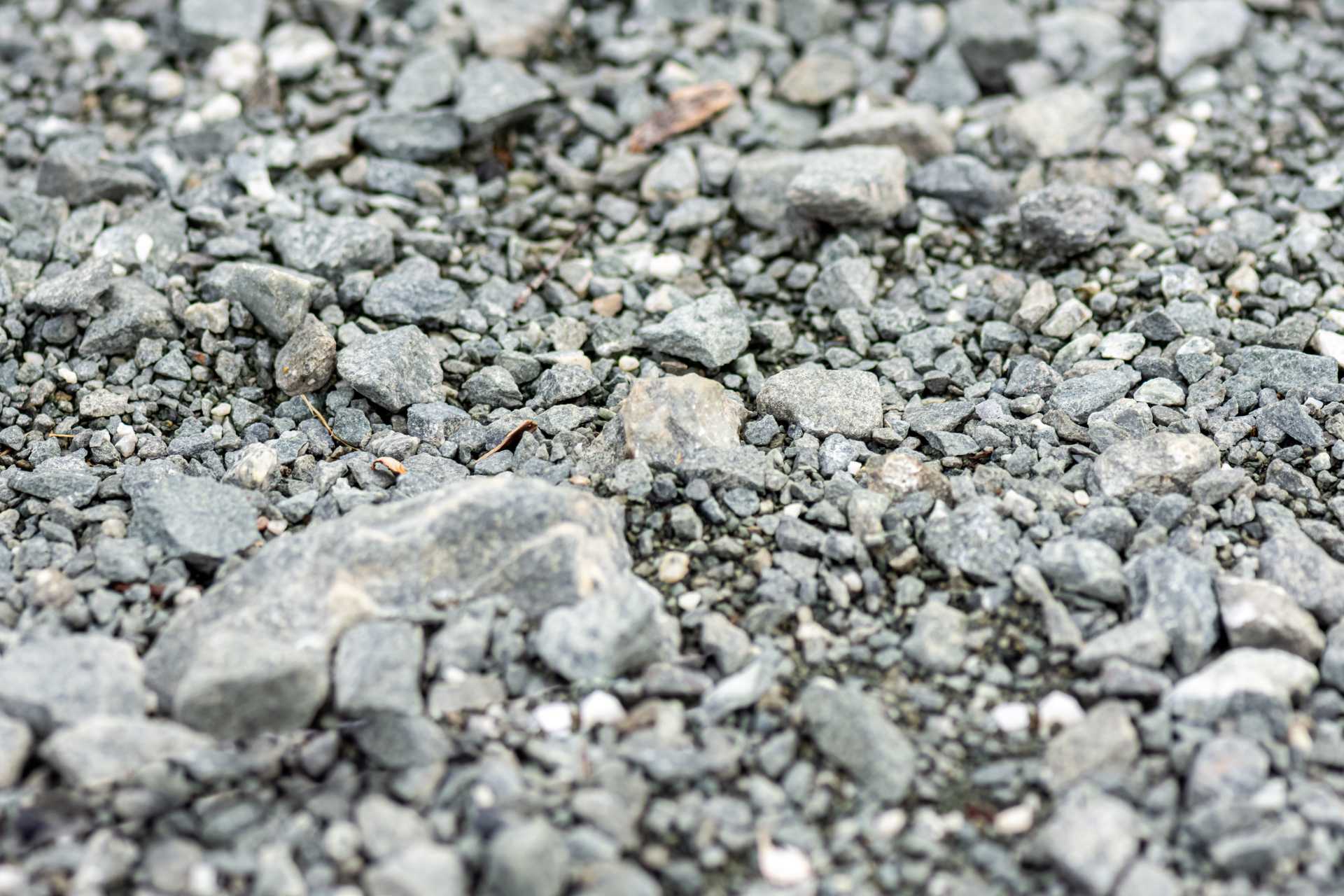
A load of Type 1 subbase material may look like a mix of larger stones and finer particles. It’s this mix that gives it its distinctive character.
The larger pieces form the structural skeleton while the smaller particles fill the spaces between them. When laid and compacted correctly, this grading allows the aggregate to form a dense layer.
Too many oversized pieces, too many fines or too much variation in the material can make it perform unpredictably. This is where quality testing and control can add an extra layer of confidence in your buying choice. MiddAggs use an independent external testing company to test our aggregates.
With MiddAggs as your aggregate supplier, you know what you’re ordering and can be confident the aggregate arriving on site is suitable for the job it’s meant to do.
Call MiddAggs For Type 1 and Subbase Aggregates
Choosing the right Type 1 subbase material is one part. The other is estimating the right quantity.
All you need to do is provide the area dimensions (length, width and depth) and the intended use, and our team can work out an appropriate quantity of Type 1.
Need Type 1 granite as your subbase? Call 01553 841044 or enquire online with your site dimensions, and our team is ready to help.


