Understanding Construction Waste Recycling Processes
At a Glance
Construction waste is increasingly recycled rather than sent to landfill, with materials such as concrete, asphalt, metals, timber and soil processed into reusable aggregates and construction products. Recycling helps reduce landfill costs, lower material and transport expenses, improve resource efficiency and support sustainability targets while maintaining compliance with industry quality standards.
Request a quote from Middleton Aggregates for all your aggregate needs.
Where Does Site Waste Go?
The construction sector is a major waste producer in the UK, generating around 62% of the country’s total waste annually. This number covers waste from construction, demolition and excavation activities.
However, construction waste doesn’t disappear once it leaves a project site. It is transported to licensed recycling facilities, waste transfer stations or processing centres run by construction waste recycling companies.
According to the UK government, 59.4 million tonnes of non-hazardous construction and demolition waste were generated in 2020, of which 55 million tonnes were recovered.
But how is waste recycled? What types of construction waste can be recycled? Our guide explores these questions and more.
What Types of Construction Waste Can Be Recycled?
The good news is that a large amount of construction and demolition waste can be successfully recycled and reused within the construction sector. Recycling construction waste helps reduce environmental impact while supporting a circular economy approach, where materials are repurposed rather than discarded.
- Concrete: Concrete from demolition projects is crushed and screened to produce recycled concrete aggregates for use in sub-base layers, drainage applications and temporary roads.
- Bricks and masonry: Clean brick rubble can be crushed and graded for use in construction foundations and highway works.
- Asphalt and road planings: These are highly recyclable materials that can be processed and reused in road construction and maintenance projects. Using recycled asphalt can reduce the need for virgin bitumen and aggregates. Explore our subbase range.
- Soil and subsoil: Groundworks and site preparation generate soils that can be excavated, screened and reused for landscaping.
- Metals: Site waste often contains steel, copper, aluminium, lead and reinforcement bars that can be recycled.
- Wood: Timber waste from construction sites can be recycled into biomass fuel, wood chips or reprocessed timber products.
- Inert waste: Inert waste refers to materials like soil, tiles, ceramics, bricks and concrete that don’t chemically react or decompose. These materials can be recycled into secondary aggregate materials.
How Recycled Aggregates Are Produced and Graded
One of the outcomes of the construction waste recycling processes is recycled aggregates. At construction waste recycling companies such as Middleton Aggregates, high-quality aggregates often result from carefully controlled processing.
Construction waste recycling processes involve:
Crushing and Recycling
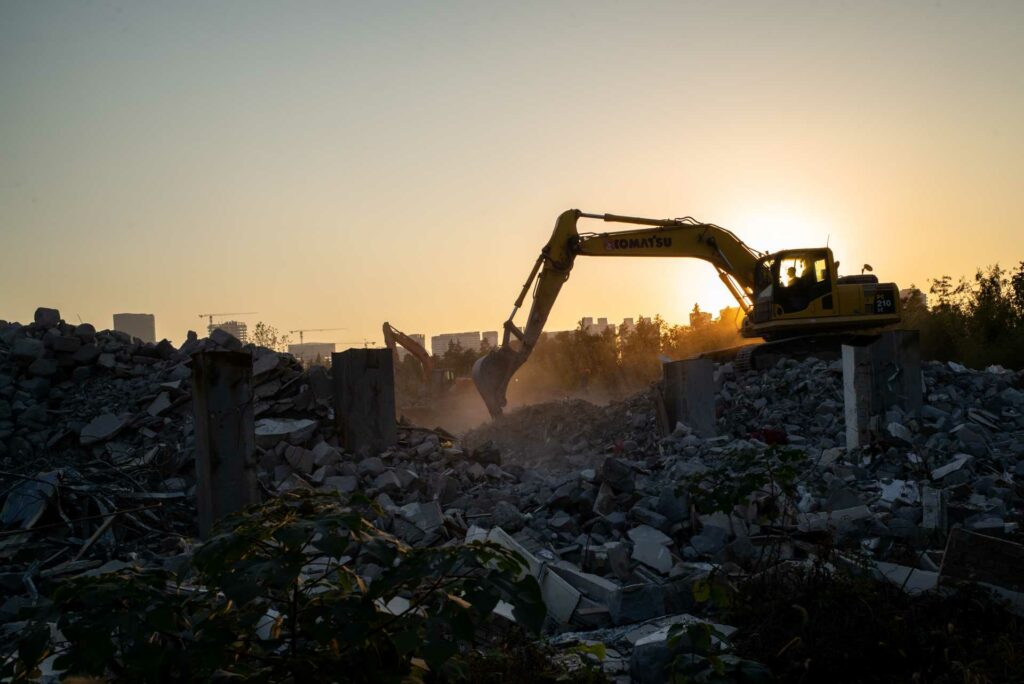
The recycling process begins by crushing large pieces of concrete, brick or asphalt into fragments small enough to screen and grade. This process uses mobile or static crushers, or both, depending on the scale of operations.
Screening and Separation
After the crushing process, screening systems are used to sift the materials into aggregates of different sizes. It may require additional separation processes, including magnetic removal of metals, washing to remove fines and debris and air separation of lightweight components.
Aggregate Grading
Next, grading takes place, where aggregates are sized according to their intended application. Common grades for recycled aggregates often include Type 1 recycled aggregate, crushed concrete, recycled asphalt planings and pipe bedding and drainage aggregates.
Quality Assurance and Compliance
High-quality recycled aggregate suppliers and construction waste recycling companies follow strict quality control procedures to ensure products meet industry specifications.
Standards may include material testing, particle size analysis, contamination monitoring, compliance with WRAP protocols and alignment with environmental regulations.
Using recycled aggregates allows contractors to achieve sustainability targets without compromising performance. For projects requiring bulk aggregate supply, Middleton Aggregates also provides primary aggregates along with recycled materials.
Cost Savings from Recycling vs Landfill
Recycling construction waste can yield significant savings compared to traditional landfill disposal.
With landfill rates rising across the UK, recycling has become an increasingly cost-effective solution for managing construction waste. Here are some benefits you can expect.
Reduced Landfill Tax Costs
Sending construction waste to a landfill involves disposal charges, landfill tax, transportation costs and additional environmental expenses. Instead, recycle these materials to reduce those costs.
Lower Material Purchase Costs
Using recycled materials is often more cost-effective than using virgin quarried materials. Contractors using recycled products can lower procurement costs while still achieving required performance standards.
Reduced Haulage Costs
Using local recycling facilities and recycled aggregate suppliers can help reduce transportation distances. This may lower fuel costs, vehicle movements, delivery times and carbon emissions.
Better Resource Efficiency
Construction waste recycling processes help maximise material recovery and reduce unnecessary waste. This supports more efficient resource management while helping preserve natural aggregate reserves. Businesses that integrate recycling into project planning often achieve both financial and operational benefits over the long term.
How Middleton Aggregates Supports Your Project
By managing waste and ensuring a reliable supply of aggregates, contractors can keep construction and infrastructure projects running smoothly.
MiddAggs provides a range of aggregate and recycling services designed to support contractors, developers, civil engineering firms and groundworks companies across a wide variety of projects.
When you partner with us, you stand to benefit from:
- High-quality recycled aggregate supply
- Primary and secondary aggregates
- Reliable delivery and logistics
- Rich industry expertise
- A certified construction waste recycling company
Operating from Blackborough End, King’s Lynn, we serve Norfolk, Suffolk, Lincolnshire, Cambridgeshire and the wider UK. Our team of industry experts is always available to provide you with the best advice and answer questions you may have.
To explore available products and services, visit the Middleton Aggregates homepage or contact the team directly on 01553 841044 to request a quote.